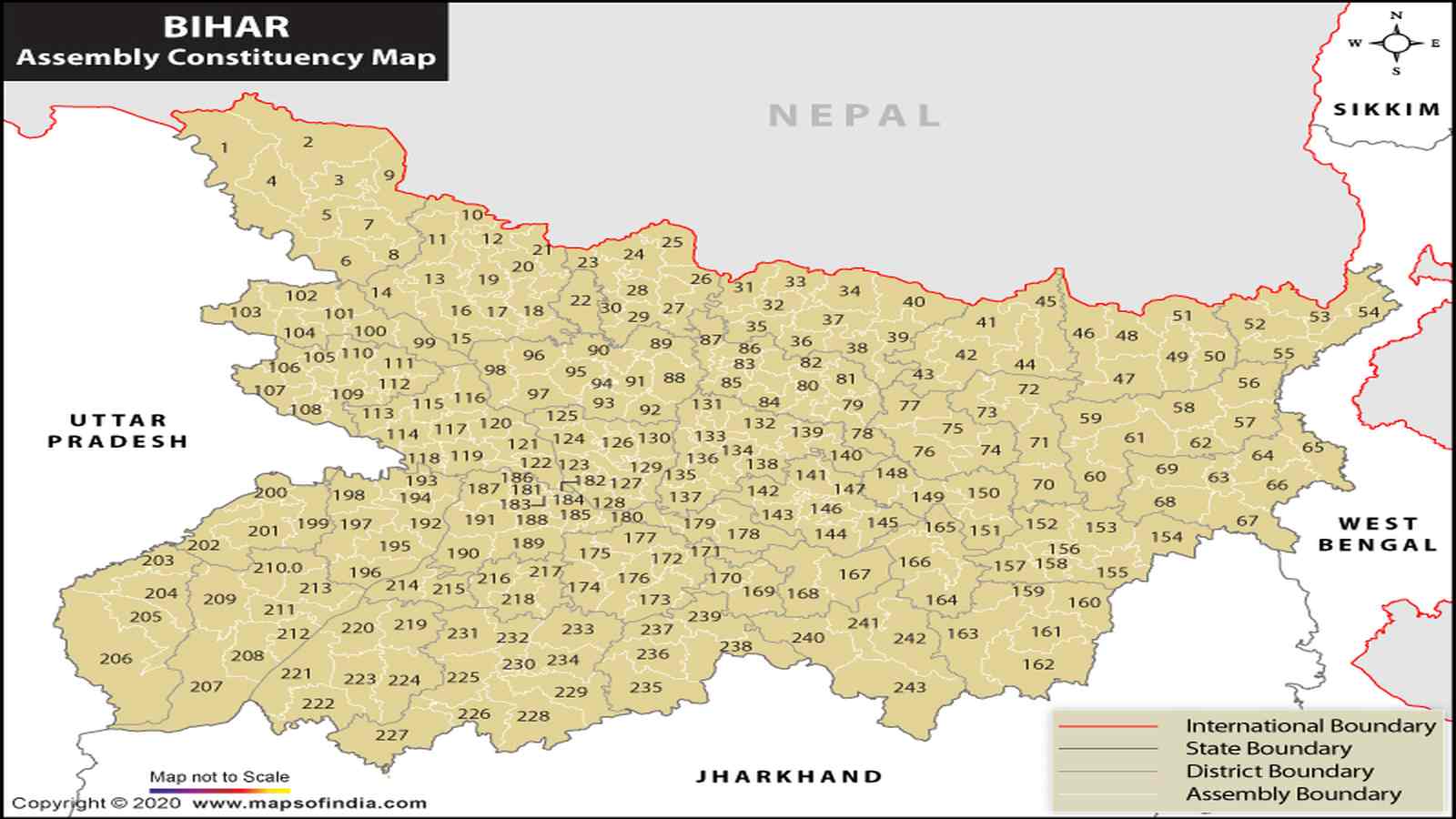
Pipra Assembly Constituency 2025: Pipra is a rural assembly constituency in Purvi (East) Champaran district of Bihar (Constituency No. 17) and is one of the six segments that make up the Purvi Champaran Lok Sabha seat. The constituency covers the Mehsi, Chakia (Pipra) and Tetaria community development blocks and sits in the Tirhut division, a largely agrarian belt with seasonal riverine floods, pockets of waterlogging and a mix of small towns and village clusters. Delimitation in 2008 changed the seat from an earlier reserved status (for Scheduled Castes) to a general category constituency, altering local candidate calculations and party strategies.
Sandesh Assembly Election 2025: Full Candidate List, Poll Date, Past Results and Winning Margins
Geography, Voters, and Local Issues
Pipra is a large electorate by Bihar standards: in the 2020 roll the constituency had roughly three hundred thousand-plus electors (province-wide documents and constituency summaries list electors in the 3.1–3.4 lakh range and a total of about 2.00 lakh valid votes cast in 2020). The social composition includes Yadav and Muslim pockets that traditionally lean towards RJD, various Extremely Backward Classes (EBCs) and Mahadalit communities where JD(U) and regional actors compete, and a significant population of smallholder farmers and daily-wage migrants whose voting behaviour is often influenced by welfare delivery and local development issues. Voter participation and mobilization of women (self-help groups, ration-card beneficiaries) are recurring themes in local politics.
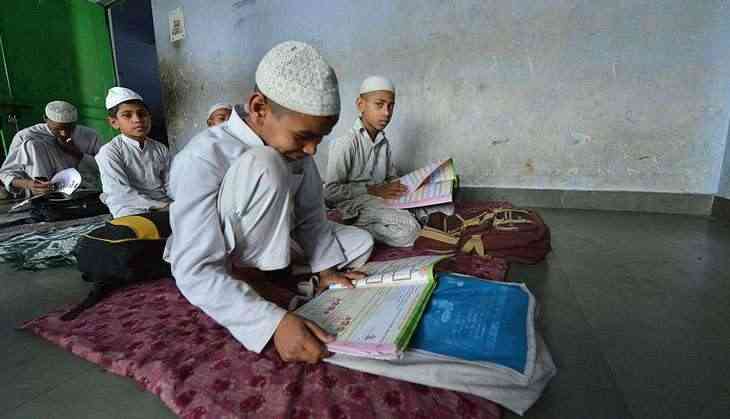
Local voters repeatedly name infrastructure and service-delivery problems as priority concerns: poor school buildings and high dropout rates, damaged rural roads and bridges, seasonal flooding and waterlogging harming crops, irregular supply at local health centres, and gaps in irrigation and farm support. Women’s issues (safety, access to entitlements) and the condition of anganwadis/primary health are also prominent at the booth level. These day-to-day governance problems often matter more to voters here than high-sounding policy promises.
Pipra Assembly Election 2025: Recent Political History
Pipra’s politics has swung between left/regionally strong parties and the BJP/NDA in recent cycles. The seat was held by different parties over the decades, reflecting Bihar’s broader electoral churn. In 2015 RJD won the seat (a period of strong anti-incumbency against national partners), but by 2020 the BJP’s Shyambabu Prasad Yadav captured the constituency in a closely fought contest a sign both of local candidate work and of the alliance arithmetic at state level. The constituency’s shift from a reserved SC seat to an open seat after delimitation also altered the candidate pool and party tactics in the long term.
Election Numbers (2010–2020)
Looking at the recent decade, Pipra has seen fluctuating turnout and competitive margins. In 2020 there were roughly 200,501 valid votes cast and BJP’s Shyambabu Prasad Yadav won with about 88,587 votes, defeating the CPI(M) candidate Rajmangal Prasad by a margin of approximately 8,177 votes. It is a fairly close result for a large rural seat.
In 2015 the winner (Yadubansh Kumar Yadav of RJD) secured around 85,944 votes while the BJP runner-up polled about 65,552, showing that margins and party fortunes can swing substantially from cycle to cycle. These numbers show Pipra is competitive and that even small shifts in turnout or alliance arrangements can change the outcome.
Pipra Assembly Constituency 2025 Past Winners
A quick historical glance shows a varied list of winners:
2020: Shyambabu Prasad Yadav (BJP)
2015: Shyambabu Prasad Yadav (BJP)
2010: Awadhesh Prasad Kushwaha (JD(U))
Oct 2005: Krishnanandan Paswan (BJP)
Feb 2005: Krishnanandan Paswan (BJP)
2000: Surendra Kumar Chandra (RJD)
1995: Sahdeo Paswan (JD)
1990: Sahdev Paswan (JD)
1985: Nand Lal Chaudhary (INC)
1980: Nand Lal Chaudhary (INC-I)
1977: Tulsi Ram (CPI)
1972: Tulsi Ram (CPI)
1969: Bigu Ram (INC)
1967: B. Ram (INC)
Known Candidates in Pipra Assembly Election 2025
At the time of writing, state-level candidate lists and media constituency pages show established local names and likely nominees being discussed; national- and state-level alliance decisions (NDA vs. Mahagathbandhan/MGB) and last-minute ticket changes are common in Bihar.
Because alliances and final nominations can change up to the formal filing deadline, watchers should track official ECI candidate lists and local news bulletins for the formal list but key local figures from BJP, RJD and JD(U)/regional partners are expected to be in contention, and occasionally left parties (e.g., CPI/M) or independents with local clout also contest. (Media constituency profiles published ahead of polls often list the likely or declared candidates for each seat.)
Rajauli Assembly Election 2025: Full Candidate List, Poll Date, Past Results and Winning Margins
Pipra Assembly Election 2025: Poll Date
The 2025 Bihar Legislative Assembly election is scheduled to be held by October–November 2025 (the exact phase dates for each constituency are set by the Election Commission closer to polling). The EC has also announced exercises such as the Special Intensive Revision (SIR) of electoral rolls ahead of the polls.
It is a process that generated controversy and legal challenges in 2025 because of additions to rolls and documentary requirements, making voter-list finalization and inclusion a live operational issue heading into polling. For a firm date for Pipra specifically, watchers should consult the ECI’s formal schedule when it is published.
What to Watch During the 2025 Contest?
There are several high-impact things to watch in Pipra’s election:
1. Alliance math and seat-sharing: Which pre-poll alliances hold and where parties compromise on local nominees.
2. Voter roll revisions and inclusion: Whether the SIR exercise affects turnout or leads to legal/administrative disputes at the booths.
3. Turnout among female and young migrants: A movement here can really make a difference, particularly because the last elections have been won with very small margins.
4. Local delivery vs. identity politics: Whether voters would like to prioritise the delivery of welfare (ration, pensions, roads, schools) over the appeals aligned with their caste.
5. Booth-level organization and candidate reputation: Pipra has been a witness to the fact that strong local networks and candidate credibility can change the outcome of a close contest. Finally, you should also monitor weather and flood predictions before the day of voting in riverine Champaran, as heavy rains can significantly lower the turnout at the voting stations situated in low-lying areas.