
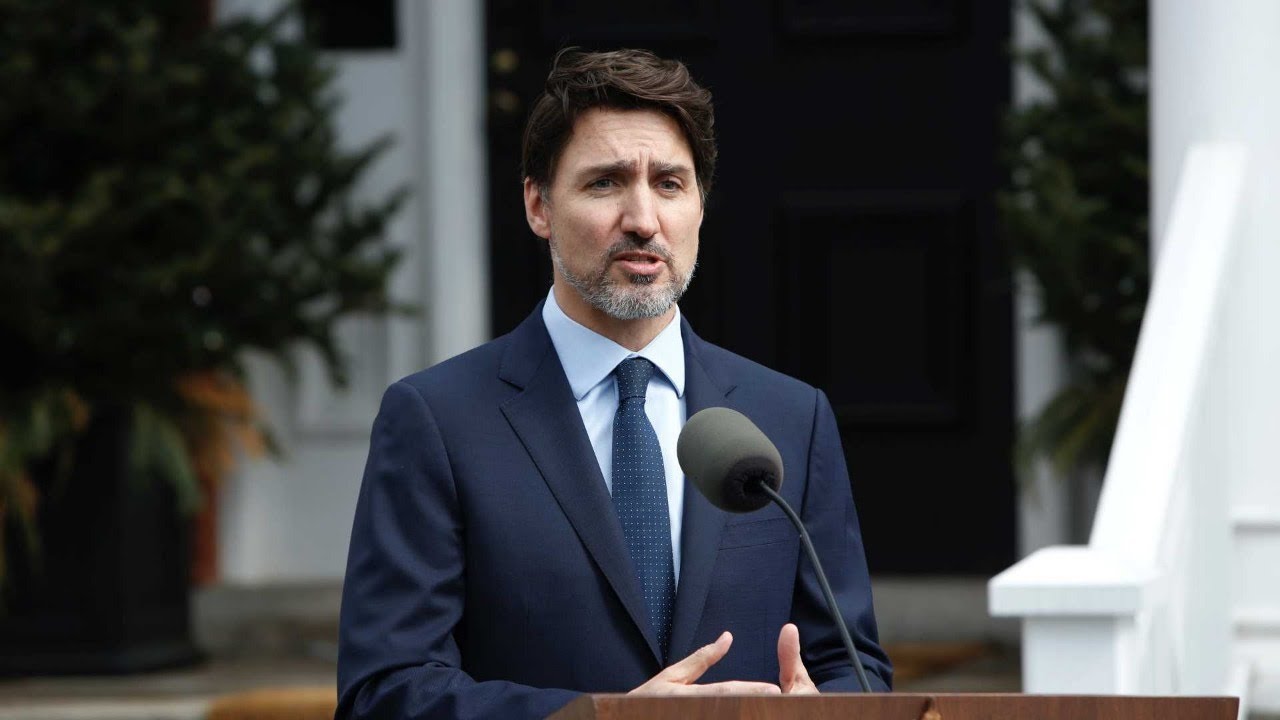
Indian students in Cananda: The resignation of Justin Trudeau, Canada’s Prime Minister, has sparked concerns about the future of Indian students and workers in Canada. Given that many Indians have benefited from Canada’s immigration policies, particularly under Trudeau’s leadership, this shift in leadership raises questions about what lies ahead for those planning to move to Canada.
Indian students in Cananda: Political Shift and Immigration Policies
Darshan Maharaja, a Canada-based immigration expert, explained that since the Canadian parliament has been prorogued until March 24, no new legislation will be passed, and the current immigration policies will remain in place. Visa processing times and application criteria are unlikely to change until a new government takes office. However, Maharaja pointed out that the next government might make significant changes. A recent poll by CBC News showed that over 80% of newcomers to Canada believe the country is bringing in too many people without proper planning. This suggests that the public is in favour of reducing immigration.
Despite the uncertainty, experts like Saurabh Arora, CEO of University Living, and Siddharth Iyer, COO of OneStep Global, are less concerned about major changes. Arora emphasized that it’s too early to predict what the new government will do. “We don’t even know who the next Prime Minister will be,” he said, according to Business standard. Arora highlighted that while Trudeau’s resignation may stem from internal conflicts within the Liberal Party, there is still a lot of uncertainty.
He believes that once a new prime minister is chosen, clarity will emerge regarding immigration policies. He also pointed out that with Indians contributing around CAD 13-14 billion annually to Canada’s economy, especially from students, India’s importance to Canada cannot be ignored.
Iyer added that Canada remains one of the top destinations for Indian students, after the U.S. He emphasized that Canada’s high-quality education, student-friendly policies, and work opportunities continue to attract Indian students.
Racism Concerns and Support Systems
Racist attacks on Indian students in Canada have recently gained attention through viral videos, which have raised concerns about the safety of Indian students. However, Iyer assured that Canadian universities have strong support systems in place to help students, including financial aid, scholarships, and housing. “Canada is a land of immigrants, and students are offered significant resources to thrive,” Iyer said.
Arora acknowledged the issues but argued that the situation is often exaggerated by social media. He added that while there are challenges such as housing shortages, Canadian universities have been able to manage them effectively. Drawing a comparison, he mentioned that even in India, foreign students sometimes face challenges. However, these isolated incidents should not overshadow the broader reality that both Canada and India have strong systems to support international students.
Decreased Interest in Canada?
While some concerns have led to a slight decrease in interest from Indian students, experts note that the drop is not drastic. Arora observed a 30% decrease in student accommodation inquiries from states like Punjab, Gujarat, and Telangana. He attributed this to parental concerns about political instability. However, he emphasized that this does not mean the interest in Canada has stopped entirely.
Apex body of 5 major tribes in Nagaland opposes fencing of Indo-Myanmar border
Iyer also pointed out that European countries and New Zealand are seeing more interest due to their flexible post-study work opportunities, which offer more comfort to Indian families.
Changes to the Express Entry System
Canada’s Express Entry system, which is used to manage applications for permanent residency from skilled workers, is also undergoing changes. Iyer explained that over the years, the Express Entry system has made immigration easier, leading to a significant rise in applications.
The proposed changes, such as eliminating additional points for job offers, could affect future applicants. Despite this, India still accounts for 27% of permanent residents admitted through the Express Entry system. While there may be a short-term drop in student visa numbers, Iyer believes Canada’s long-term immigration plan will continue to attract global talent.
Experts advise Indian students and workers to rely on official sources for information rather than social media rumor. “Listen less to social media buzz and focus on information from official sources,” Iyer advised. Arora stressed the importance of being financially prepared due to rising living costs in Canada. “It’s important for students to plan wisely and avoid unnecessary risks when moving abroad,” he said.
Maharaja reminded everyone that despite political changes, Canada remains a robust democracy, and the rights and protections for non-permanent residents, including Indian students and workers, are intact.
Markets decline in early trade as FIIs offload equities worth Rs 3,362.18 cr on Wednesday
Trudeau’s Legacy and the Future of Immigration
Under Trudeau’s leadership, diplomatic relations between Canada and India soured, but the number of Indian nationals gaining permanent residency increased significantly. Data from 2015 to 2023 shows that the number of Indian permanent residents rose from about 39,340 to 139,715. Similarly, the number of Indian students enrolled in Canadian institutions grew from 48,765 in 2015 to 319,130 in 2023. The number of Indian workers with Canadian work permits also saw a similar increase.
In the late 2024, the Canadian government announced plans to reduce immigration targets in response to concerns about housing shortages and infrastructure strain. This indicates that while immigration might slow down in the coming years, Canada’s policies will continue to evolve to meet its economic and social needs.