


World Health Day 2026: Every year on World Health Day (April 7), the focus shifts toward preventive healthcare, and this aligns deeply with the core Ayurvedic principle: “Swasthasya Swasthya Rakshanam” (preserving the health of the healthy).
Prediabetes stands as the most critical lifestyle disorder which this preventive method can transform throughout the affected person’s entire life.
World Health Day 2026: Understanding Prediabetes
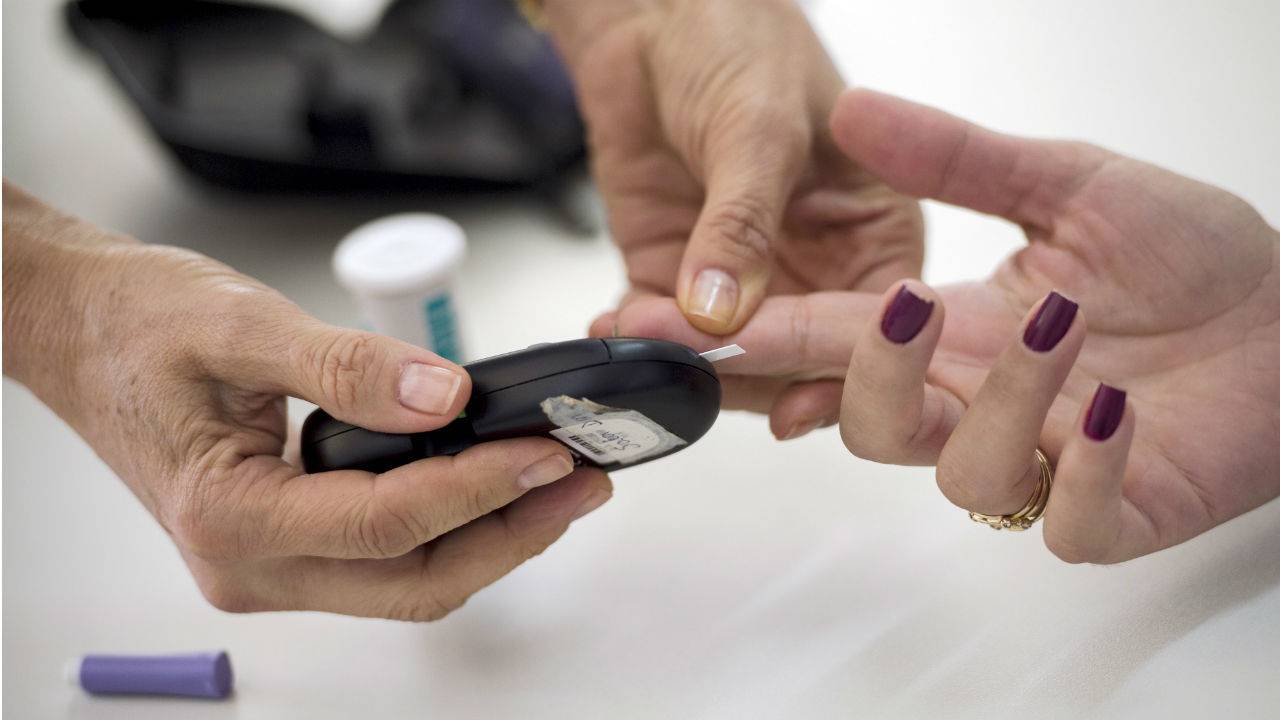
Prediabetes exists as a metabolic disorder which causes elevated blood sugar levels that do not reach diabetic status. The condition remains hidden from view yet it creates significant danger.
- About 70 percent of individuals with prediabetes will progress toward type 2 diabetes without any treatment
- The condition shows strong connections to both insulin resistance and obesity and inactive behavior patterns
- The implementation of early treatment within this initial phase allows for substantial disease progression delay and complete disease reversal
Ayurvedic Correlation
Ayurveda classifies Prediabetes as a Prameha Purvarupa condition according to its official medical definition
According to Ayurveda prediabetes represents an initial stage of Prameha (metabolic disorder) which shows itself through the following symptoms:
- Kapha dominance causes people to experience weight gain and their metabolic rate slows down
- Medo dhatu dushti (fat metabolism imbalance)
- Mandagni leads to digestive fire problems which cause reduced metabolic activity
Ayurveda teaches that doctors must treat diseases at their initial stage because this Purvarupa stage shows the best chance to stop disease spread which present-day preventive medicine now confirms as fact.
World Health Day 2026: Theme, Meaning and Why April 7 Is Important
Research Insights
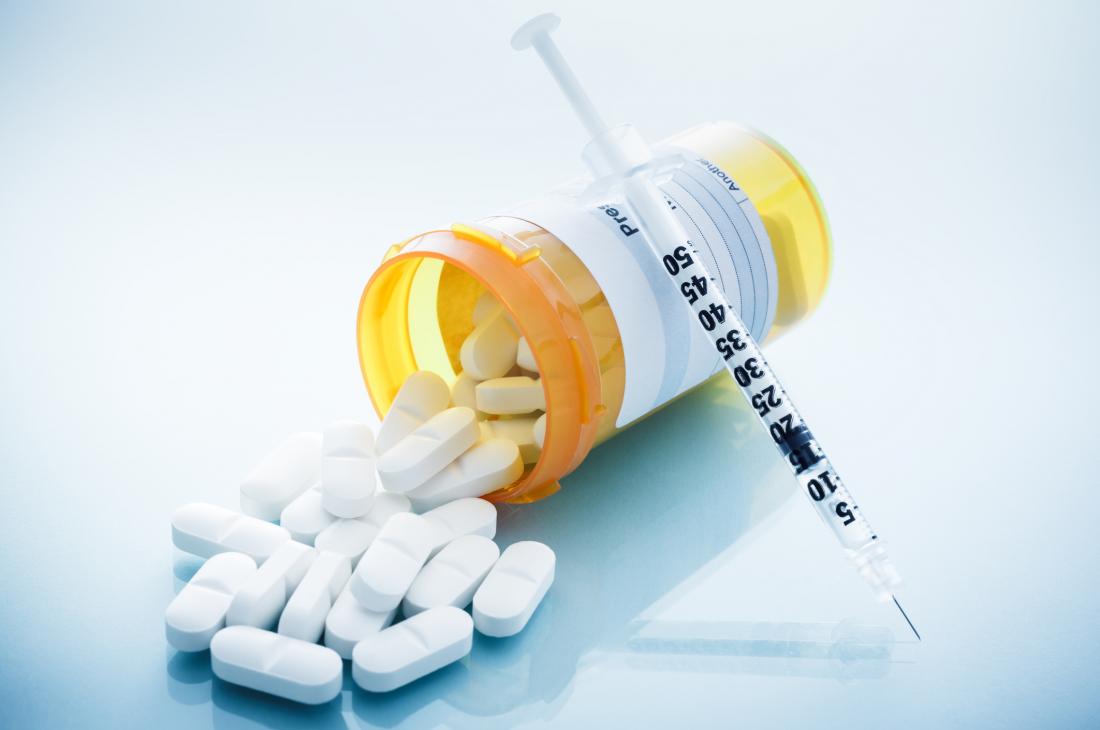
1. Polyherbal Ayurvedic Intervention (Clinical Trial Evidence)
The randomized controlled trial results demonstrated:
- The study found that diabetes progression decreased by 47 percent.
The study reported significant improvements in these areas:
- Fasting blood sugar
- HbA1c
- Insulin resistance
- The study showed zero harmful effects.
The formulation included these herbal ingredients:
- Guduchi (Tinospora cordifolia)
- Vijaysar (Pterocarpus marsupium)
- Gurmar (Gymnema sylvestre)
- Bitter gourd
- Ginger
2. Multi-Target Action of Ayurvedic Herbs
Modern research shows that Ayurvedic herbs:
- They enhance insulin sensitivity
- They decrease glucose levels after meals
- They improve beta-cell function
- They decrease HbA1c levels
Ayurveda demonstrates multi-pathway metabolic correction because it uses multiple pathways instead of single-target drugs
3. Holistic Ayurvedic Therapies
Evidence-based interventions include:
Nisha Amalaki (Turmeric + Amla combination): The combination enhances blood sugar regulation.
Darvyadi Kwatha: The medication eliminates metabolic waste from the body.
Panchakarma therapies like Vamana: The treatment helps people become less insulin resistant.
The treatments assist with:
- The process of decreasing insulin resistance
- The process of restoring metabolic normality
- The process of enhancing mental health
Ayurvedic Management of Prediabetes
1. Aahar (Diet)
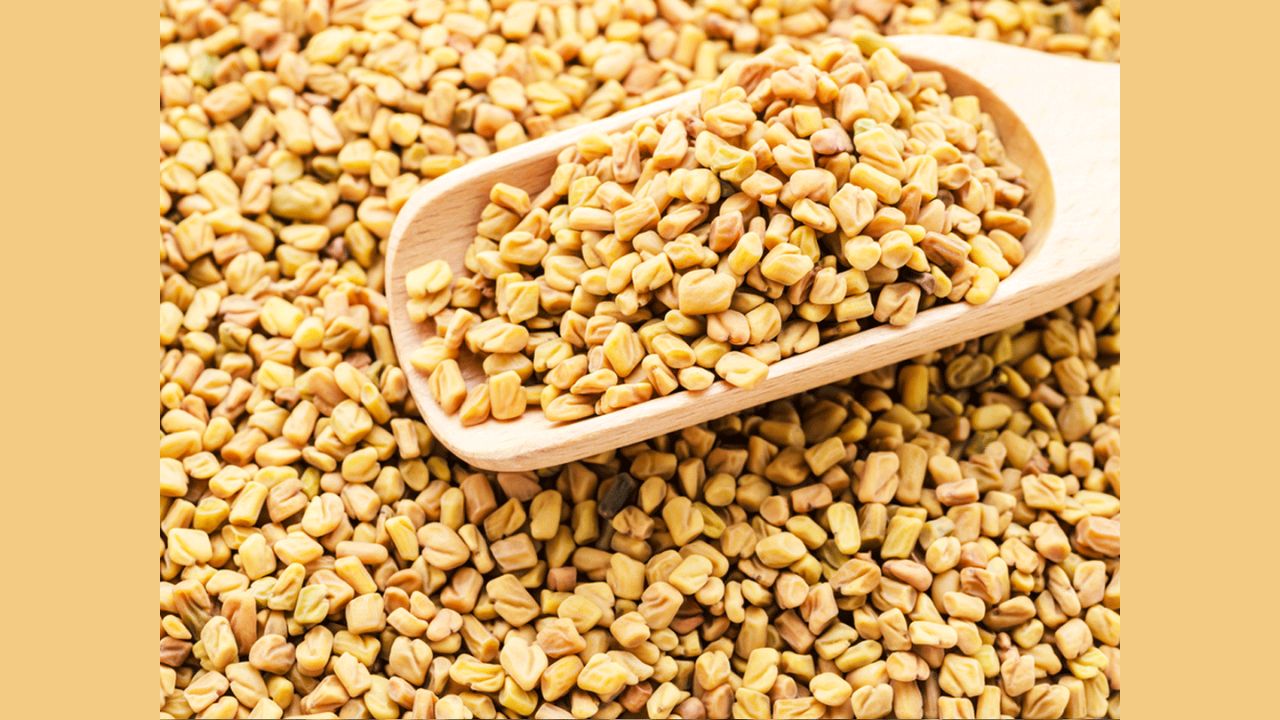
Ayurveda treats Agni disorders through its methods and it uses Kapha reduction techniques.
The following items are recommended:
- Barley (Yava), Millets
- Green leafy vegetables
- Bitter foods (Karela, Methi)
- Warm water, herbal decoctions
The following items need to be avoided:
- Refined sugar, maida
- Heavy, oily, dairy-rich foods
- Daytime sleeping (increases Kapha)
2. Vihar (Lifestyle)
- Daily exercise (Vyayama) improves insulin sensitivity
- Walking after meals reduces glucose spikes
- Stress management (meditation, yoga) lowers cortisol
- Proper sleep cycle regulates metabolism
People find it hard to maintain lifestyle changes even though those changes bring strong benefits, which explains why integrative methods show greater effectiveness.
3. Aushadhi (Herbal Support)

Commonly used Ayurvedic herbs:
- Guduchi (Giloy): Improves immunity & glucose metabolism
- Haridra (Turmeric): Anti-inflammatory, insulin sensitizer
- Amalaki: Antioxidant, supports pancreas
- Methi (Fenugreek): Reduces glucose absorption
- Karela (Bitter gourd): Insulin-like action
The herbs exhibit Kapha-Medohara properties which lead to fat loss and they also function as Pramehaghna substances which combat diabetes.
4. Panchakarma (Detox Approach)
- Vamana (therapeutic emesis): Removes excessive Kapha from the body
- Virechana: Detoxifies liver and metabolism
- Basti: Balances Vata (important in chronic metabolic disorders)
Modern healthcare is moving towards preventive and personalized medicine, which Ayurveda has practiced for thousands of years.
Ayurveda offers:
- Early-stage intervention (before disease develops)
- Individualized treatment (based on Prakriti)
- Natural, safe long-term management
- Focus on root cause, not just sugar levels
Prediabetes serves as a warning sign because it provides an opportunity for reversal. On World Health Day, Ayurveda shows its main message which says people should not wait until they become ill. People should start fixing their metabolism problems at an early stage. Ayurveda provides a scientific, complete solution that helps people avoid diabetes through its proven method.