
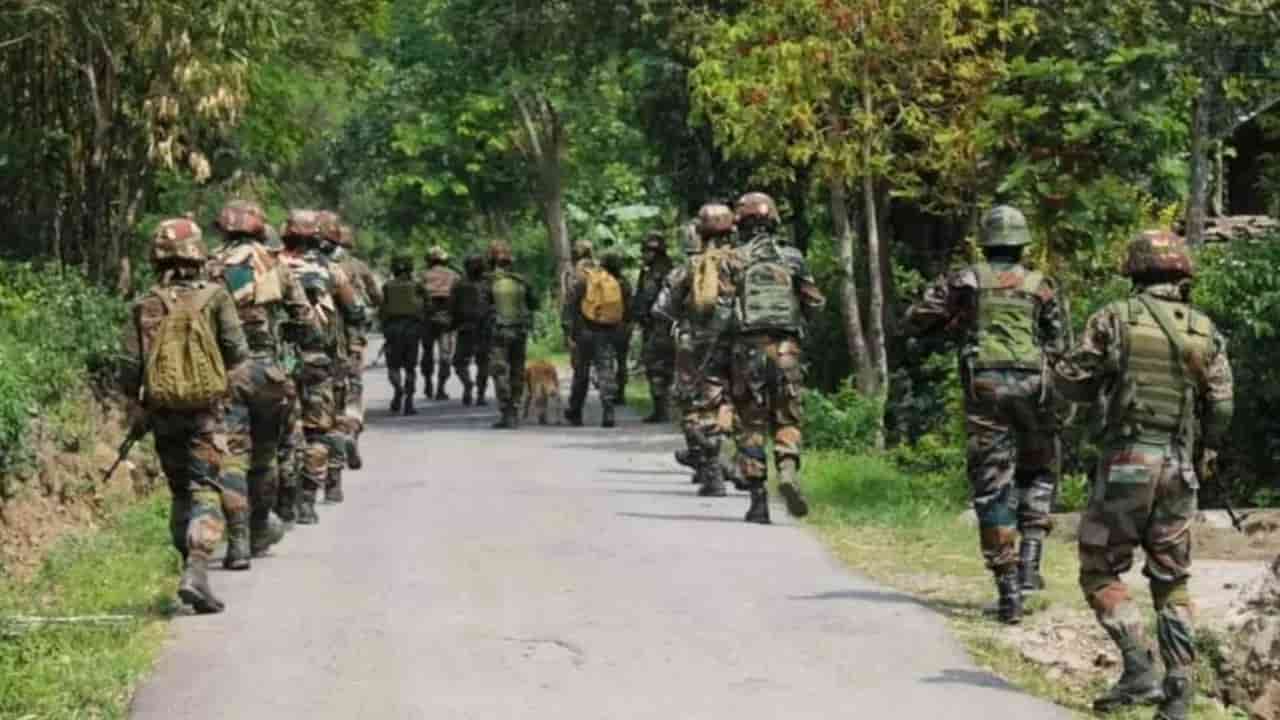
Saranda Forest Naxal-Free: In a big stepping point for Jharkhand’s anti-Naxal push, the Saranda forest area, once counted as one of the toughest Maoist nests in eastern India has now been declared Naxal-free after almost three decades of insurgent grip.
This move came after a sustained security effort, intelligence-driven action and a chain of surrenders by Maoist cadres. The most recent push happened on August 11, when four active Maoists gave themselves up during Operation Navjeevan-III, that included Saluka Kayam, a CPI (Maoist) zonal commander who reportedly had a reward of ₹10 lakh, as per police officials.
How Did Saranda Turn Naxal-free?
Saranda’s land pattern made it extra hard for the security side to operate. It sits in Jharkhand’s West Singhbhum region, and the forest stretches across around 900 square kilometres. It’s famous for its thick sal forests and rugged ground, not to mention the constant cover that the area offers. The term Saranda is often explained as “the land of seven hundred hills.”
Police said the surrender of the four cadres was the final major step in clearing the Maoist presence from the Saranda region. The security push was supported by Chaibasa Police, central security forces and intelligence agencies, with authorities combining operations against armed cadres with surrender and rehabilitation efforts.
The August 11 surrender was part of the third phase of Operation Navjeevan. Earlier phases had also brought dozens of Maoist cadres back into the mainstream, with 25 cadres surrendering under Navjeevan-I on May 21 and another 14 under Navjeevan-II on July 28.
₹10 Lakh Rewardee Among Four Maoists Who Surrendered
Among those who surrendered was Saluka Kayam, also known by aliases including Bhuvneshwar and Vikram. Police identified him as a CPI (Maoist) zonal committee member and one of the last senior Maoist operatives active in the forests and hills of Kolhan, Porahat and Saranda. He was carrying a reward of ₹10 lakh and was wanted in numerous criminal cases, according to reports citing police officials.
Jharkhand Police To Distribute 627 SUVs And 847 Motorcycles Among Districts
Tricolour Hoisted in Remote Sangajata Village
On August 15, the national flag was hoisted at Sangajata village, deep inside the Saranda-Kolhan forest region. Police said it was the first time the Tricolour had been formally hoisted there in this manner. SDPO Dr Syed Mustafa Hashmi joined villagers and police personnel for the ceremony and also organised a health camp during the visit.
For residents of a region long associated with Maoist violence and limited state access, the event represented more than an Independence Day celebration, it signalled the return of regular administration and public outreach.
Jharkhand’s Anti-Naxal Operations: The Numbers So Far
According to police data reported after the latest operations, 113 Maoists had been arrested across Jharkhand by August 15, while 50 others surrendered. Security forces also reported that 22 Maoists were killed in encounters during the anti-Naxal campaign.
At the national level, the Union government has credited a mix of security measures, development programmes, rehabilitation and better access to government services for the sharp reduction in Left Wing Extremism. The Ministry of Home Affairs says its strategy leans toward a coordinated approach rather than security operations only.
What Does “Naxal-Free” Mean For Saranda?
A region coming out of decades of insurgency needs more than just removing or getting armed cadres to surrender. Ongoing police presence, roads, healthcare, education, communication and work opportunities will matter a lot, so the Maoist influence doesn’t creep back again.
The health camp at Sangajata and the way villagers joined the Independence Day programme, gave an early sign of how the administration is trying to build its base through public services as well as security.