

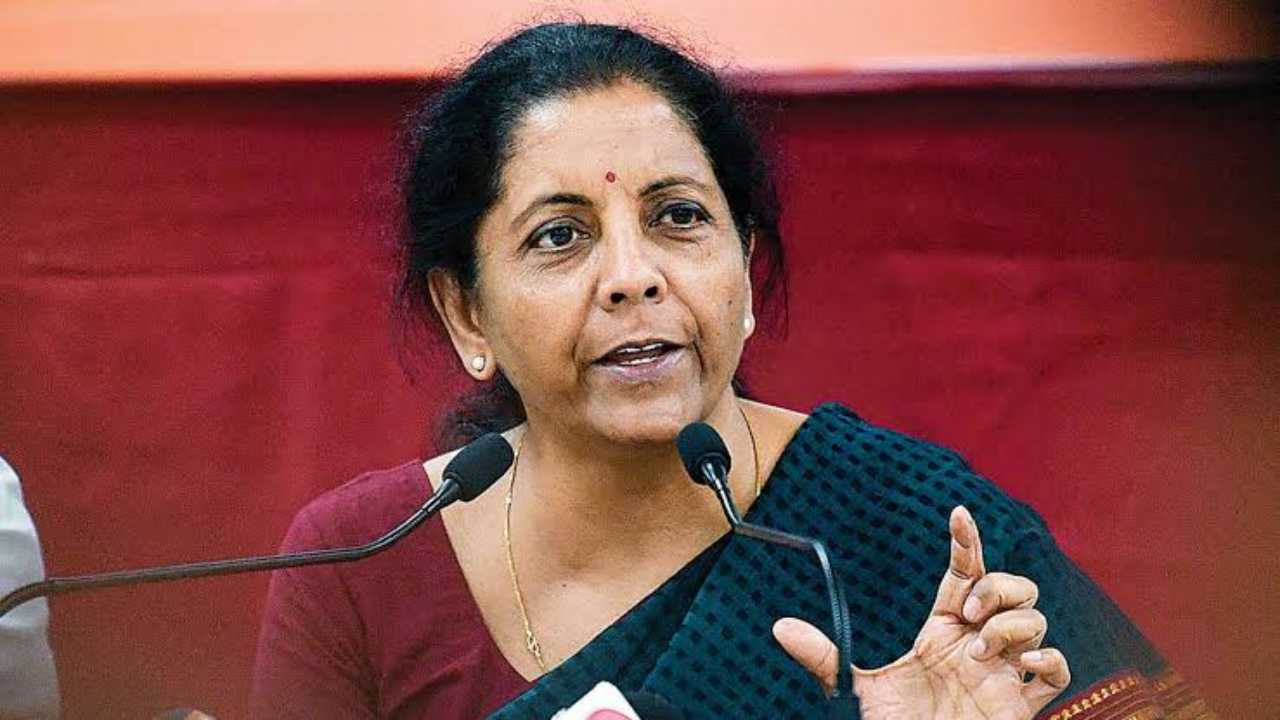
Budget 2025 expectations: On January 6, Union Finance Minister Nirmala Sitharaman finished a month of discussions with industry and sector leaders ahead of the Union Budget 2025, which will be presented on February 1. This will be the eighth time Sitharaman presents the budget, having already presented six annual and two interim budgets.
Over 100 invitees from nine different groups took part in the discussions. These groups included experts, representatives from farmer associations and agriculture economists, trade unions, the education and health sectors, MSMEs, the trade and services industries, economists, and people from the financial sector, capital markets, infrastructure, energy, and urban sectors.
2025 Social Security Payroll Tax Limit Set to Increase
The budget is expected to focus on key areas like taxation, investment incentives, and welfare programs to balance fiscal discipline with strategic spending.
Suman Chowdhury from Acuite Ratings mentioned, “We would expect some steps to enhance the disposable incomes of the salaried tax payers by realigning and reducing the existing income tax slabs. The middle income urban population has seen limited inflation adjusted income growth in the post Covid period which has impacted discretionary purchases — higher tax savings can lead to stronger urban consumption demand. This can also strengthen demand for more affordable housing projects in the urban areas. In the earlier budget, the government had brought out schemes to incentivise employment by the private sector, further measures may be taken in the budget to ensure that such employment generation witnesses an acceleration,”, Business standard reported.
Economic Stability and Public Expectations
Trivesh, COO of Tradejini, emphasized the need for balancing economic stability and public expectations in the budget. He said, “The Indian economy is going through rapid shifts with technology, evolving consumer preferences, and global trade uncertainties. Tax cuts for the middle class, measures to promote small businesses, and sustainable initiatives like renewable energy could be pivotal.”
As per Mint, Yash Sedani, Assistant Vice President of Investment Strategy at 1 Finance, highlighted the importance of tax reforms to encourage investment. “Reducing transaction charges like Stamp Duty and GST, abolishing Long-Term Capital Gains Tax, and removing GST on health insurance premiums could significantly boost investor participation and economic growth,” he said.
Income Tax Changes in 2024: Key Reforms That Redefined Personal Finance in India
Real estate sector
In the real estate sector, stakeholders hope for measures that could drive growth and improve sustainability. Pushpamitra Das, Founder and Director of JUSTO, a real estate solutions company, suggested the government:
- Infrastructure status for real estate sector to enable easier financing
- Potential GST rationalization for under-construction properties for commercial and residential segment
- Higher tax deductions on home loan interest
- Provide tax benefits to Real Estate Investment Trusts (REITs) to encourage retail and institutional participation, boosting commercial real estate.
- Reforms in land acquisition policies and single-window clearance system
- Increased focus on rental housing through tax benefits for both owners and tenants and co living assets
- Extension of SEZ benefits to boost commercial real estate
- Green building incentives through additional tax benefits”
Rony Antony, Partner and Leader of Corporate Tax (South) at BDO India, believes that the rationalization of income tax is long overdue. He pointed out that although there were some efforts made in this direction with the introduction of a proposed Direct Tax Code, not much progress has been made since the draft was introduced.