
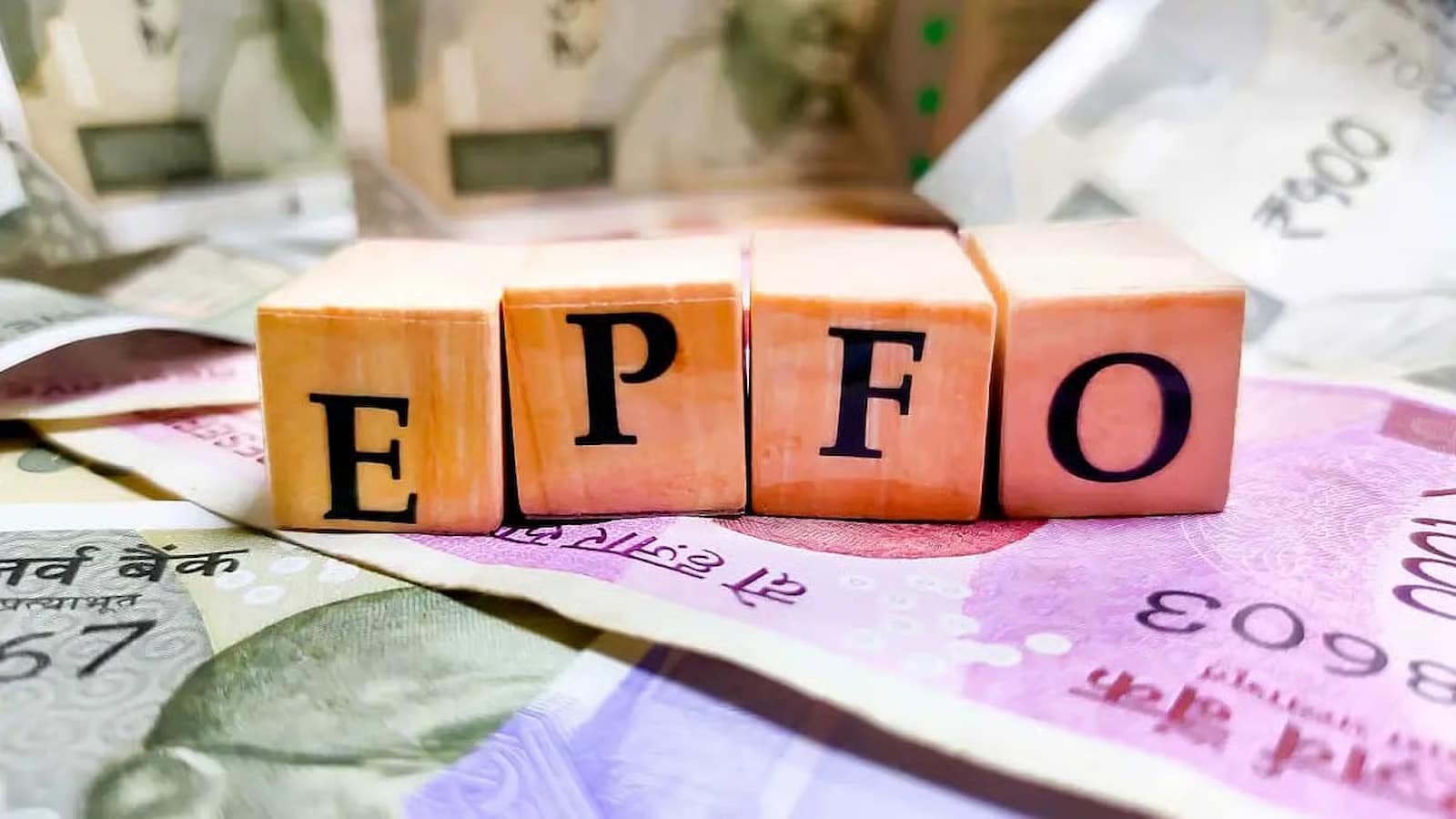
EPFO New Rules 2026: The Employees’ Provident Funds Scheme, 2026 has changed some important rules for people who want to take money out of their EPF account. The new scheme replaced the older 1952 rules and came into force in July 2026. It has also brought new waiting periods for some types of withdrawals.
According to Labour Minister of State Shobha Karandlaje’s written reply in the Lok Sabha on August 10, EPFO has brought in a 12-month waiting period for premature final EPF settlement. There is also a 36-month waiting period for withdrawal benefits under the Employees’ Pension Scheme (EPS).
She stated, “EPFO has introduced a 12-month waiting period for premature final EPF settlement and a 36-month waiting period for withdrawal benefits under EPS.”
This means a member who leaves a job may not be able to take the entire EPF amount immediately under the normal premature settlement route. EPS withdrawal benefits also now have a longer waiting period.
Members Can Still Take Money Out For Important Needs
The new rules do not completely stop members from using their PF savings. EPFO has also made partial withdrawals easier and combined earlier withdrawal rules into simpler categories.
The government has said that members can access money for essential needs, housing needs and special circumstances. These can include medical treatment, unemployment-related expenses, education and housing needs.
Karandlaje said, “EPFO has simultaneously liberalised and simplified partial withdrawals and advances.”
Under the special circumstances category, she added, “Also, members are free to avail 75% of their balance 2 times every year under special circumstances without assigning any reasons.”
The changes also include a 25% minimum balance requirement. This means members are generally expected to keep 25% of their contributions in the PF account instead of taking out the entire balance through partial withdrawals. The government introduced this safeguard so workers can keep some money saved for retirement.
For certain partial withdrawals, the rules have also made eligibility simpler. The minimum service requirement has been set at 12 months for partial withdrawals. The revised framework covers areas such as illness, education, marriage and housing.
Why is there A 36-Month EPS Waiting Period?
The longer EPS waiting period is mainly linked to protecting pension savings. Earlier, many members withdrew their pension accumulation soon after leaving employment. The government has said this could stop them from completing the required service period needed to become eligible for a regular pension.
Under the new approach, the pension withdrawal waiting period has been extended to 36 months. The government says this is meant to encourage members to remain connected to the pension system and improve long-term social security.
The issue was also discussed through the Central Board of Trustees (CBT), which includes representatives of employees, employers and governments. The amendments were placed before the CBT and were discussed before recommendations were sent to the government for notification.
What grievance mechanism will EPFO provide?
The government was also asked about measures to address financial hardship and implementation challenges arising from the withdrawal restrictions.
In response, the minister noted that the EPFO is strengthening:
- Grievance redressal to address members’ complaints
- Outreach to improve awareness about the rules
- Digital claim settlement to ensure timely disbursal of admissible advances