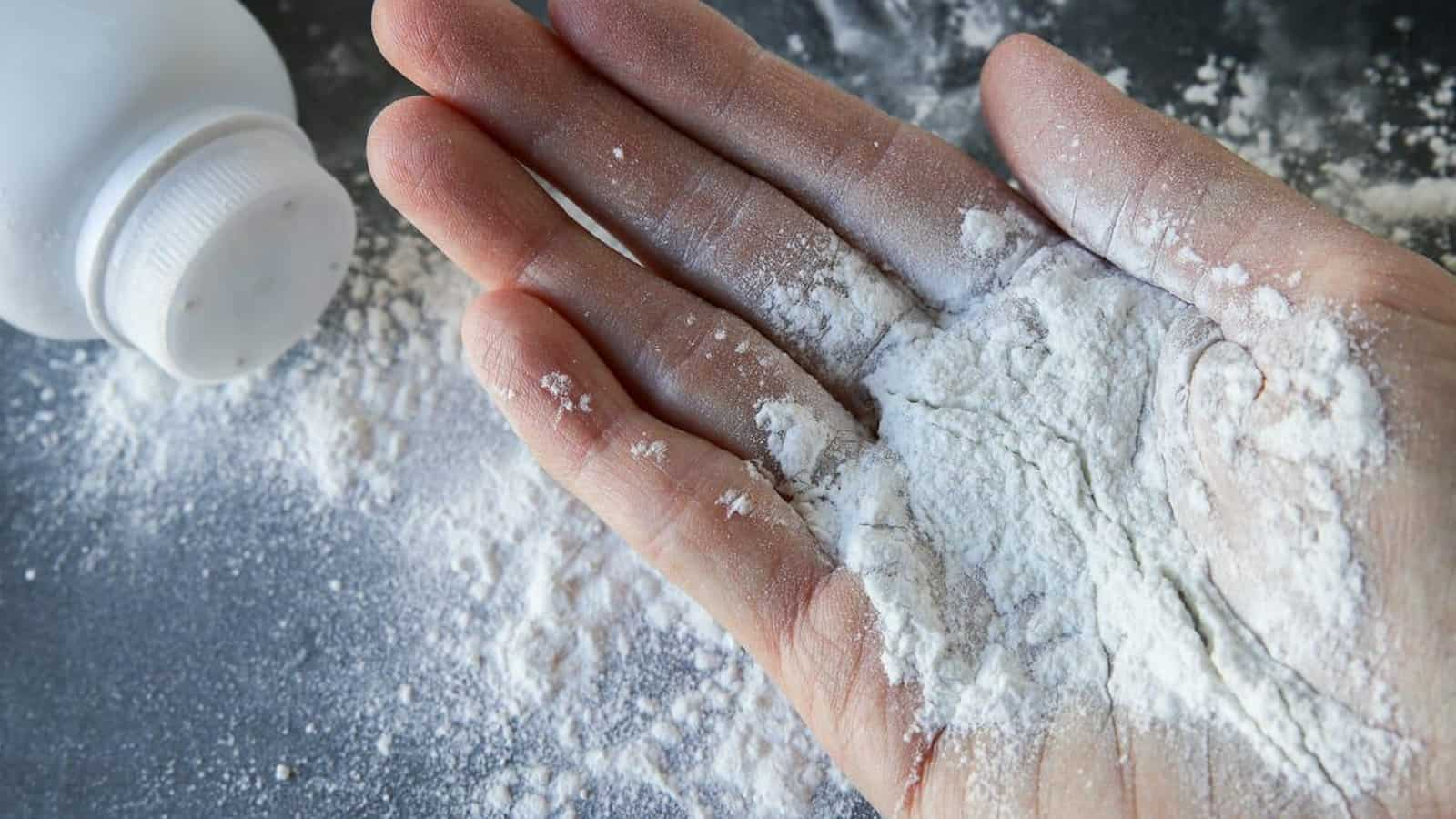
Is Talc Bad For You: The World Health Organisation (WHO) classify talc as a “probably carcinogenic” substance for humans. Following studies showing this mineral might induce cancer in humans, the WHO’s International Agency for Research on Cancer (IARC) issued a warning.
Talc is placed by the FDA at level two of the hazard identification pyramid, therefore, although there is “sufficient evidence in experimental animals,” there are not enough studies on the effects of the drug on humans.
ICMR Explains Why Your Home-Cooked Meal Might Be Unhealthy
According to AS News, a statement from the IARC indicates that this implies that talc has the “key characteristics of carcinogens in human cells and experimental systems.” Additionally found to be a hazard to human health is acrylonitrile, an odorous material used in plastics and textiles and originally utilized as a pesticide.
Makeup and cosmetics, including talc-containing items
A significant portion of the populace is exposed to talc, both during its production and as a result of its use in hygiene and cosmetic products. The World Health Organization has also voiced its concerns regarding talc that may contain asbestos, which is present in various body powders and beauty items. Scientists’ degree of confidence in this compound’s risk is comparable to what they have said about the consequences of eating red meat and working night shifts.
Talcum powder dispute and Johnson & Johnson
Numerous previous studies have demonstrated a higher risk of ovarian cancer in those who have used talcum powder, especially in women who have applied it to their genitalia. The IARC was unable to completely rule out the possibility that the talc samples under investigation included hazardous asbestos fibres.
Because people claimed that talcum powder had cancer-causing ingredients, many Americans sued Johnson & Johnson. The company had to stop selling the product worldwide because the issue grew bigger. Even though they settled the lawsuits and removed the powder from the market, the company did not admit to doing anything wrong.
Paneer Vs Tofu: Exploring the Healthier Protein Source for Weight Loss
Experts advise against using too much talc
Experts say that regular use of this substance does not raise cancer risk. The body type, application technique, and degree of exposure will affect the probability of talc-related illness. Particularly in women, it is advisable to avoid applying powders including this component on the genitalia. The results of the research show that there might be a link between the use of talcum powder and the risk of a modest increase in ovarian cancer incidence in women; yet, the small sample size makes the conclusions unable to be regarded as definite.