


New Light-Based 3D Printing: The process of creating miniature devices and parts will experience a significant transformation through a key advancement in additive manufacturing. Scientists have developed a new light-based 3D printing method that can produce complex millimeter-scale objects within one second of time.
The research was led by a team at Tsinghua University and recently published in the journal Nature, according to multiple technology and science news reports.
New Light-Based 3D Printing
The new method called Digital Incoherent Synthesis of Holographic Light Fields (DISH) enables users to create detailed structures within 0.6 seconds which researchers claim is the quickest 3D printing speed that has been achieved for this specific printing size. The system can produce exceptionally precise micro-components through its ability to create fine details that reach minimum dimensions of 12 micrometers.

3D printing processes create objects through a successive process of building which requires multiple layers to be added or points to be constructed through time-consuming processes that last from minutes to hours depending on the object’s dimensions and complexity.
How the Technology Works?
DISH technology uses printing material that remains fixed in place while other systems depend on their mechanical components to move or their materials to spin. The system uses three-dimensional light patterns that change rapidly to determine which parts of the material will solidify based on the three-dimensional light patterns.
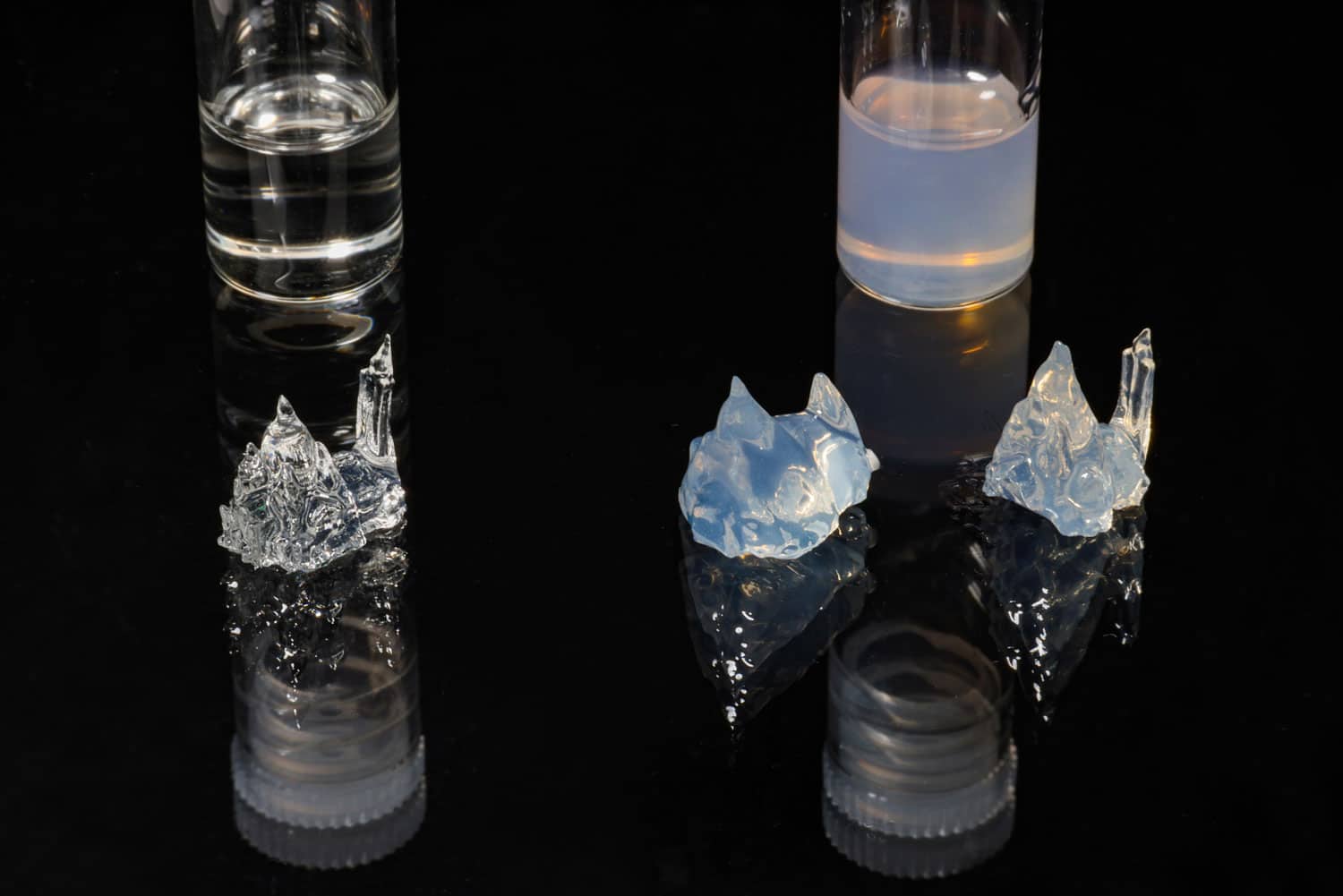
This rotating holographic light field allows scientists to precisely shape objects in one step rather than building them gradually. The approach eliminates mechanical motion, which improves both speed and stability. The approach achieves better performance through the removal of mechanical movement which makes the system run faster while maintaining better operational reliability.
Researchers say the system can reach processing rates of around 333 cubic millimeters per second, a dramatic improvement over existing volumetric printing methods.
Rachit Prints IPO subscribed 1.59x on day 3: Retail portion booked 2.11x
Potential Applications Across Industries

The method enables fast production of small components which maintain high accuracy, thus creating potential applications across various fields which include:
- Photonic computing components
- Smartphone camera modules
- Fexible electronics
- Micro-robotics
- Biomedical tissue engineering models.
Experts believe this could enable mass production of miniature devices that currently take much longer to manufacture.
In 3D printing researchers face their main obstacle of maintaining speed while achieving accurate results and creating systems that can operate at larger production levels. The process of printing at higher speeds leads to decreased printing accuracy, while the need for high precision results in slower production times. The new light-field approach appears to overcome this trade-off.
New Light-Based 3D Printing: Future Outlook
The technology has potential to drive field innovation through its successful commercial launch which enables rapid prototyping and manufacturing for medical device development and advanced electronics and robotics.
Researchers require additional work before they can make the system ready for industrial applications. The results present a potential path toward developing ultra-fast high-resolution manufacturing technology which will fundamentally change future methods of designing and producing small-scale products.