
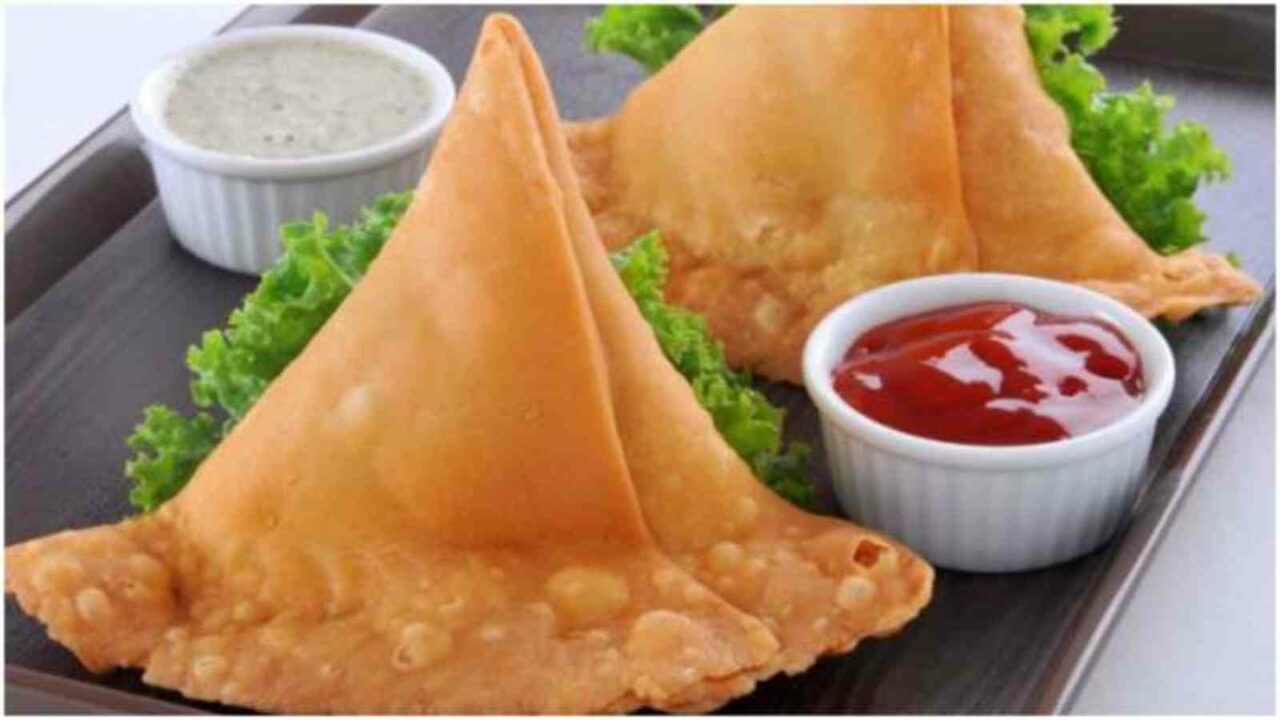
Samosas or Jalebis Health Warnings: A lot of confusion started after some media reports claimed that the Union Health Ministry asked for warning signs on famous Indian snacks like samosas, laddoos, and jalebi. These reports even said that cafeterias and public places might soon start putting posters next to these foods, showing how much sugar and oil they have. But now, the Press Information Bureau (PIB), which is the government’s fact-checking body, has said clearly that no such warning was given.
PIB posted on X and explained that the health ministry didn’t tell anyone to put labels on these foods. The actual message from the ministry was a general advisory. It wasn’t meant to target Indian food or street snacks in particular. The advisory was only meant to make people think more about their eating habits, especially about the hidden fats and extra sugar in daily food items. The goal is to help people eat better and live healthier lives, not to shame or stop anyone from eating traditional snacks.
Some media reports claim that the @MoHFW_INDIA has issued a health warning on food products such as samosas, jalebi, and laddoo.#PIBFactCheck
✅This claim is #fake
✅The advisory of the Union Health Ministry does not carry any warning labels on food products sold by vendors,… pic.twitter.com/brZBGeAgzs
— PIB Fact Check (@PIBFactCheck) July 15, 2025
No ₹500 Notes from ATMs After September 2025? Know the Truth Behind Viral WhatsApp Message
Ministry Focused on Healthier Lifestyle
Some news stories had said that the government told central institutions, including AIIMS Nagpur, to set up “oil and sugar boards” in their cafeterias and public spots. The idea behind these boards is to show people how much sugar or oil is hidden in foods that we often eat without thinking. These reports made it sound like a strong warning, almost like what we see on cigarette packs. Even some officials at AIIMS Nagpur said that they received a letter and are preparing to place these posters.
But PIB has made it clear now that this advisory was not about banning or warning against any specific food. It was just a soft push, a small reminder, to help people understand how much sugar and fat goes into what they eat. The message is not against India’s rich and loved street food culture. It’s simply encouraging better choices, especially at workplaces and in public eating areas.
PU LLB Result 2025 Expected Tomorrow at pglaw.puchd.ac.in: Here’s How to Check
This talk about food warnings also brings up a big worry about rising obesity in India. The health ministry’s letter pointed out that by the year 2050, more than 44.9 crore people in India could become overweight or obese. This could make India the second biggest country in the world when it comes to obesity. Right now, in Indian cities, about one in every five adults is already overweight. Childhood obesity is growing too, mostly because of unhealthy eating and less physical activity.