
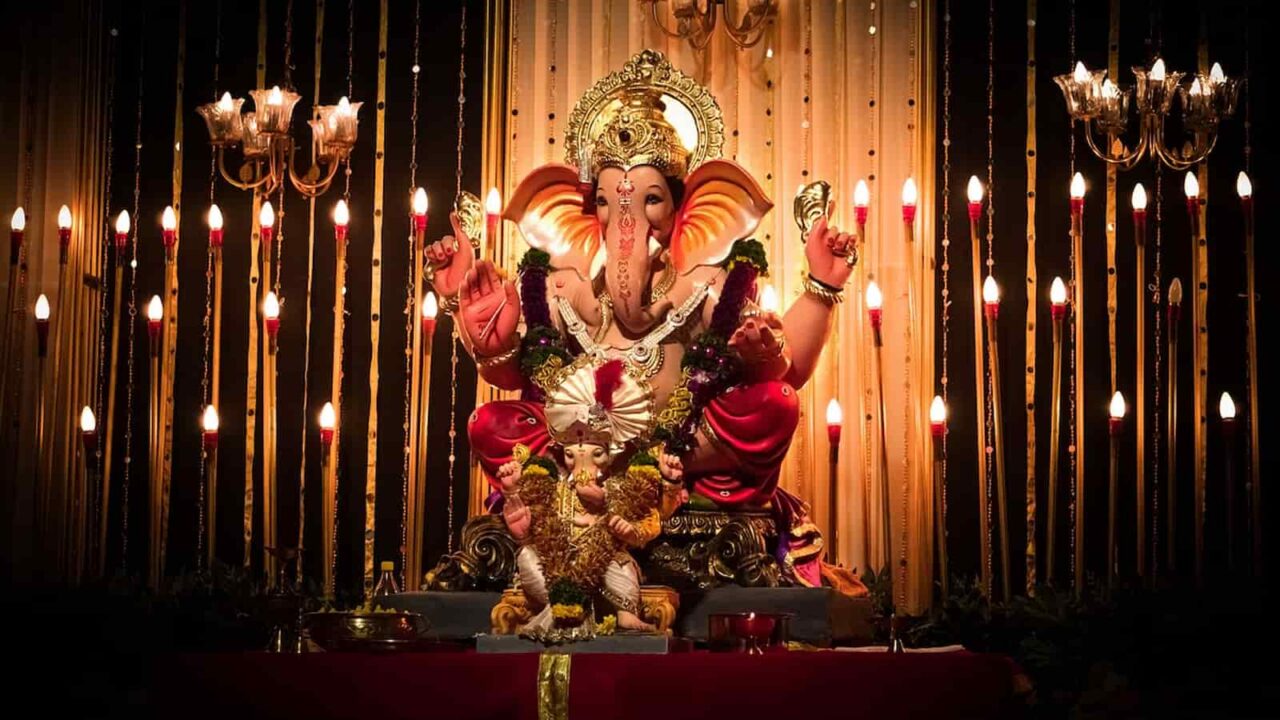
Sankashti Chaturthi 2026 in February: Hindus celebrate Sankashti Chaturthi as a highly sacred festival which honors Lord Ganesha who helps people overcome their challenges while providing them wisdom and material wealth. The sacred vrata (fast) of February 2026 occurs on Thursday 5 February 2026.
Sankashti Chaturthi 2026 in February
Sankashti Chaturthi derives its name from the Sanskrit words “Sankat” obstacles and “Chaturthi” fourth lunar day which describes the festival’s timing. The festival takes place during every lunar month on the fourth day following the Krishna Paksha which is the waning moon phase.
Devotees observe this vrat to invoke Lord Ganesha’s grace for the removal of life’s hurdles, emotional burdens, and mental tensions. The Angaraki Sankashti fast follows Tuesday because that day serves as its traditional starting point.
Important Dates & Timings (February 2026)
The Dwijapriya Sankashti Chaturthi celebration occurs on Thursday 5 February 2026. The Chaturthi tithi begins at 12:09 AM on 5 February and ends at 12:22 AM on 6 February according to the Hindu panchang.
The fasting practice requires participants to maintain their schedule from sunrise to moonrise while they will end their fast after they see the moon and present arghya water mixed with milk to Chandra Moon God. The moonrise time for Delhi occurs at approximately 9:35 PM on 5 February. However, different locations have slightly different times which makes it necessary to check your local panchang.
Why Is Sankashti Chaturthi Special?
Sankashti Chaturthi operates as both a ceremonial fasting practice and a spiritual tradition that leads practitioners to meditate and maintain pure living while they seek divine connection.
People who observe fasting on this day with devoted service according to traditional beliefs about the practice will experience relief from their life difficulties which includes emotional distress and life progress blocks.
Devotees who fast with true dedication receive fast answers to their prayers from Lord Ganesha according to the belief of the people.
The practice helps people develop mental strength which enables them to make better choices while their spiritual progress becomes more powerful.
Shab-e-Barat 2026 Date in India: Time, Significance, Traditions, and Prayers
Morning Rituals
Devotees begin their morning activities at the most auspicious time which occurs during Brahma Muhurta (pre-dawn) or Abhijit Muhurta. First you should take a cleansing bath and then put on fresh clothing (which should be red or yellow according to tradition) and finally declare your sankalpa (intention to observe the fast) through silent meditation.
Devotees who observe the fast have two options which include complete fasting through nirjala (no food or water) and phalahar (fruit-only) fasting based on their individual health needs and fasting abilities. People eat fruits and sabudana khichdi and potatoes and nuts as their permitted foods but they must avoid grains and onions and garlic and all other tamasic foods.
Evening Puja & Devotional Practices
The core worship starts after moonrise during the evening hours. The altar receives its sacred preparation through the installation of a decorative Ganesha idol which displays durva grass and flowers and fruits and modaks which serve as his preferred offerings. The worshipper needs to light incense sticks and a lamp before reciting Ganesh mantras which include “Om Gam Ganapataye Namah” and traditional stotras such as Vakrathunda Mahakaya.
Powerful Mantras for Sankashti Chaturthi
Ganesh Beej Mantra:
ॐ गं गणपतये नमः
Om Gam Ganapataye Namah
Sankashti Chaturthi Mantra:
वक्रतुंड महाकाय सूर्यकोटि समप्रभ।
निर्विघ्नं कुरु मे देव सर्वकार्येषु सर्वदा॥
Chanting these mantras 21 or 108 times brings strong spiritual results.
Sighting the Moon & Breaking the Fast
The fast reaches its peak when people observe the moon after sunset. Devotees offer arghya to the moon with water, milk, flowers, and rice while praying for peace, prosperity, and protection from hardships. The devotees only break their fast after completing this ritual which allows them to eat the prasad that was given during the evening puja.