
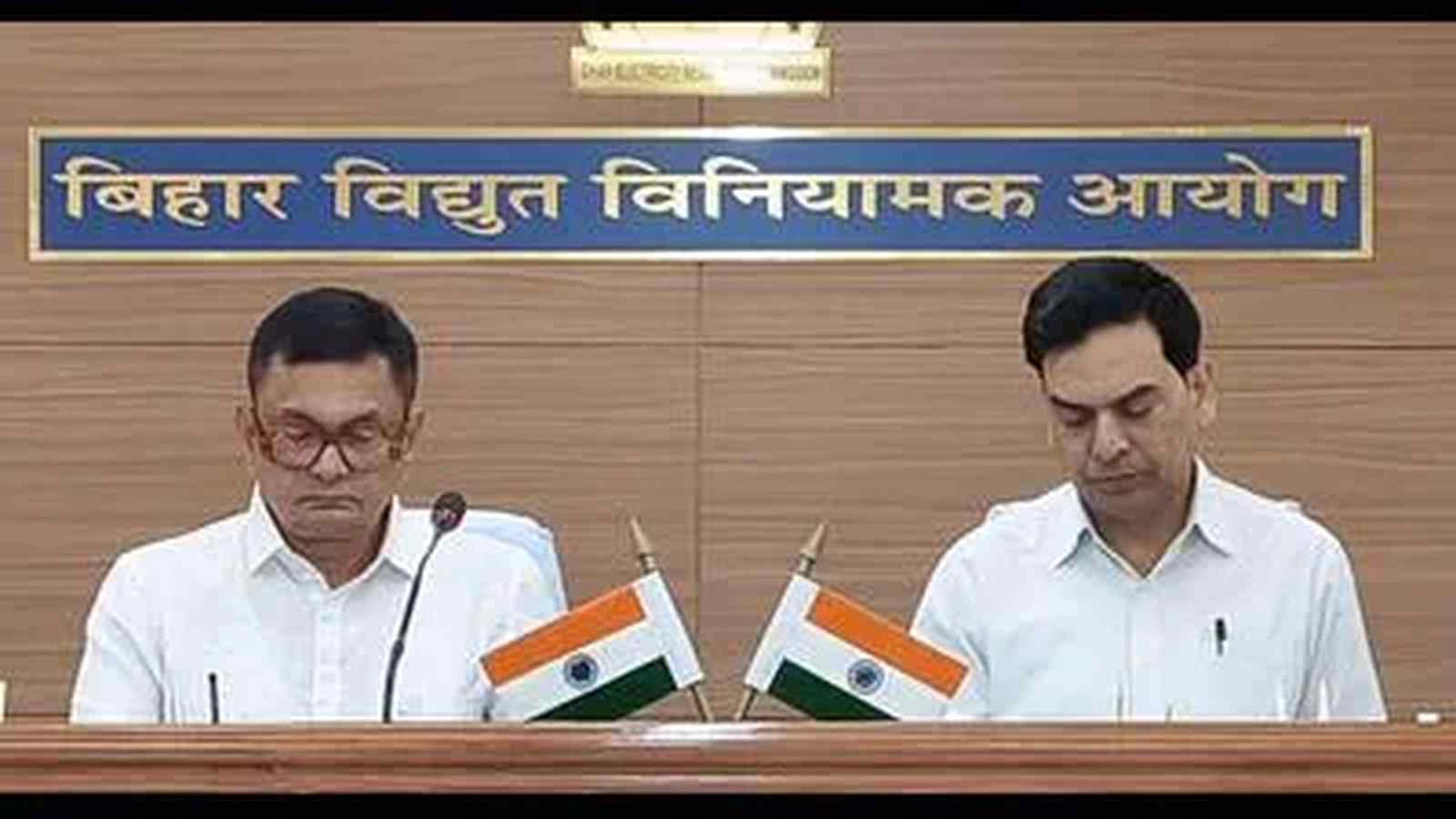
Time-of-Day Tariff in Bihar From April 1: The Bihar government is set to roll out a Time-of-Day (ToD) electricity tariff system from April 1, 2026, targeting consumers with smart prepaid meters. The new system will establish different electricity rates for peak and off-peak times which will lead to higher expenses for customers who consume electricity during peak usage times.
The state has maintained its current electricity rate structure for the fiscal year 2026-27 which provides some financial relief to more than 2.2 crore customers. The new billing system will change the way electricity costs are determined which will particularly affect urban residents and those with smart meters.
What Is Time-of-Day Tariff in Bihar?
The Time-of-Day tariff system is a pricing mechanism that establishes different electricity rates for different times of electrical consumption. The system establishes higher rates which occur during peak demand times that happen in the evening and lower rates which apply during off-peak times that exist in the late night and early morning.
Consumers who move their electricity use to non-peak times will experience lower costs under this system while users who consume large amounts of power during peak times will incur more expenses.
The system helps achieve grid demand management through its design which enables users to practice efficient energy consumption methods while decreasing peak load demands. The system supports the growing trend of smart meter usage which tracks electrical consumption in real time.
Bihar Introduces 24-Hour PNG Approval Rule, Deputy CM Vijay Sinha Announces Major Reform
Smart Meter Users to Be Most Impacted
The ToD tariff will primarily apply to smart prepaid meter users, a segment that has expanded rapidly in Bihar as part of the government’s digital energy push. Recent data shows that Bihar ranks among the top Indian states which have established smart electricity meters, which enable real-time consumption monitoring and flexible billing systems.
The ToD pricing system will charge users higher rates during peak hours which will raise their monthly expenses if they continue to consume at their current levels. The new policy gives smart prepaid users special rewards which replace previous incentive programs that provided discounts for every unit consumed.
“The BERC, after thorough examination and prudence check of their proposals, has approved the net Aggregate Revenue Requirement (ARR) of Rs 16,555.69 crore with revenue surplus of Rs 2.69 crore for NBPDCL and net ARR of Rs 18,908.97 crore with revenue surplus of Rs 1,931.35 crore for SBPDCL, after considering the revenue from approved sale of power in FY 2026-27 and trued-up gap/surplus of FY 2024-25, including carrying cost,” it said while citing the financial position of the utilities and the need to avoid burdening consumers.
What Consumers Should Expect From April 1?
According to the order, “Domestic consumers in rural (DS-I) and urban (DS-II) categories, using smart prepaid meters, will receive a 20 per cent rebate on the base tariff of Rs 7.42 per unit during off-peak hours, effectively bringing the rate down to Rs 5.94 per unit. During peak hours, consumers will be charged a 10 per cent premium, taking the rate to Rs 8.16 per unit, while consumption during the normal period from 11 p.m. to 9 am will be billed at the normal tariff of Rs 7.42 per unit.”
From the 1st of April onwards, consumers, particularly those with smart meters, should get ready for:
- Higher charges during the evening peak hours
Cheaper services during the off-peak times
- Greater emphasis on monitoring usage patterns on electricity consumption
- A possible need to reschedule use of some appliances in order to cut down on their bills.
This will result in an effective reduction of tariff (in terms of energy charge) by Rs 1.53/unit (DS-II), Rs 0.42/unit (NDS-I) and Rs 1.20/unit (NDS-II), says the order. Energy experts believe that where households that choose energy-efficient behaviour and shift timing of consumption might still reap benefits under the new system.