
WhatsApp username feature: The government has put WhatsApp’s new username feature under a fresh spotlight. According to recent reports, the Ministry of Electronics and Information Technology, or MeitY, has asked Meta to explain the plan in detail and pause the rollout in India until talks are over. The main worry is that usernames could make impersonation, phishing, fraud, and fake identity tricks easier. The company has been told to reply within three days.
The feature itself is simple in idea but big in impact. It is meant to let people chat without sharing their phone numbers. WhatsApp has already started letting users reserve usernames, though the feature is not fully live yet. The company says a phone number will still be needed to use the app, and usernames are only meant to give people another layer of privacy.
Madhya Pradesh Viral Video: Dead Cow Dragged for 1 Km by Garbage Vehicle, Probe Ordered
Why the Government is Worried?
The government’s fear is that bad actors can use usernames to look like real people, real companies, or even government bodies. That could make scams easier and confuse ordinary users. Reports say officials are also checking whether the feature breaks any legal rules and whether the government can stop or delay it if the risk looks too high.
WhatsApp has pushed back and said it has built safety steps into the feature. It says public figures, government bodies, celebrities, and verified Meta accounts are being protected, and lookalike names are being blocked too. The company also says it has limits on how many people a user can contact, plus systems to catch repeated guessing and abuse.
Viral Post Reveals Why Gen Z Rejects Unnecessary Struggle’If Technology Can Help, Why Struggle?‘
The Bigger Chat App Fight
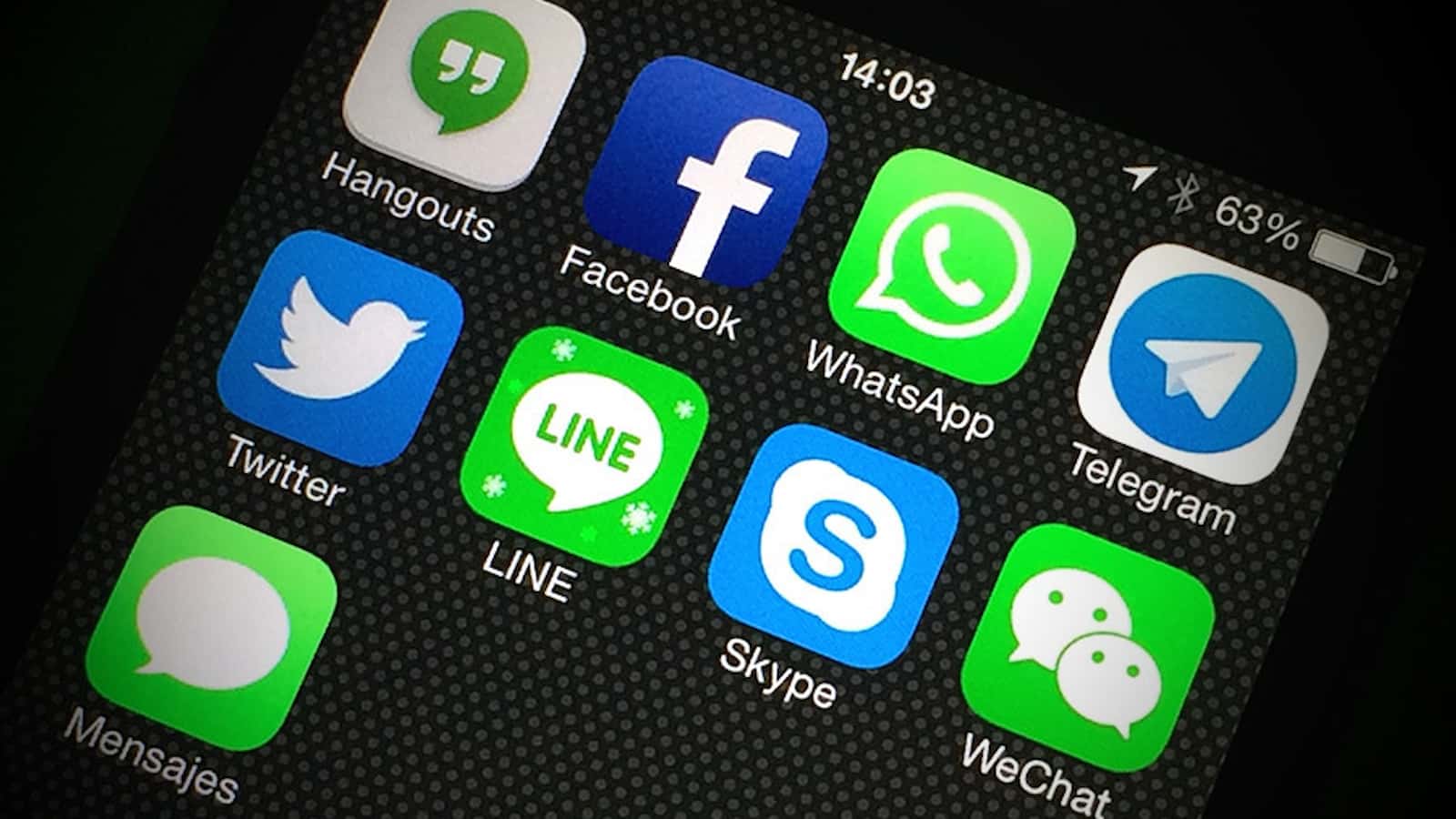
This is not just about one app. The latest coverage says MeitY and the Ministry of Home Affairs are meeting representatives of several peer-to-peer messaging platforms to discuss username features and the risks around them.
Apps like Telegram and Signal are also being mentioned because they already use username-style identity features in some form. The exact government action on those apps has not been as clearly laid out in the reports I found, but they are part of the same conversation about anonymity and misuse.