



Ayurvedic Solution to Air Pollution: Air pollution especially high AQI days with elevated PM2.5 and NOx attacks the respiratory tract, causes oxidative stress, raises inflammation, and weakens our defence against infections. As a BAMS student who’s studied classical texts and modern research, I’ve seen how simple, time-tested Ayurvedic measures used wisely can support respiratory health. In this post I explain, plainly and with evidence, what Chyawanprasha is, the biological reasons it may help people exposed to polluted air, what clinical and lab studies say, and practical, safe advice for use alongside conventional protective measures.
What is Chyawanprasha (CP)?
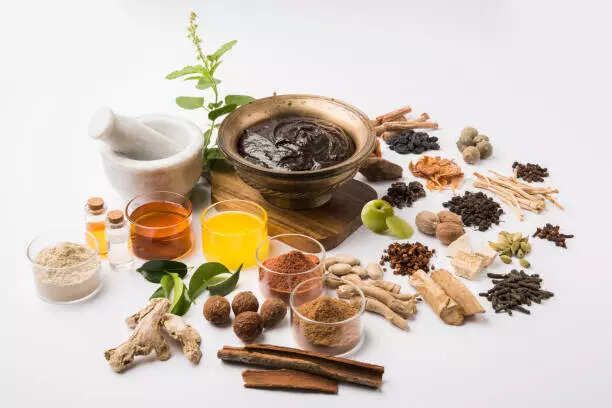
Chyawanprasha is a traditional Ayurvedic polyherbal jam originating in classical texts. Its core ingredient is Amla (Indian gooseberry Embilica Officinalis), combined with a mix of herbs (like guduchi, ashwagandha, pippali, cinnamon etc.), clarified butter (ghee), and a sweetening base traditionally jaggery. (Yes, it’s called Sharkara in Sanskrit). In Ayurveda it’s classed as a rasayana, a rejuvenator that strengthens ojas (vital resistance) and respiratory strength. Modern analyses show CP contains many polyphenols, vitamin C (from amla), and other phytochemicals that have antioxidant and immunomodulatory potential.

In context with the ongoing controversy on Chyawanprash and how it could help fight pollution related hazards, there are multiple claims on social media by so called health influencers claiming how the healt benefits of Chyawanprash are bizzare. Now, I’m not going to claim that it can cure chronic diseases without any Vaidya’s intervention but it can surely act as a preventive aid to protect yourself from respiratory disorders in future.
View this post on Instagram
Chyawanprasha is something which can maake a old person young if made under Kutipraveshika measures. This has been mentioned in Charaka Samhita Chikitsa Sthana, and I believe it was truly possible at that times considering approx gunas of 37 ingredients are present in this Avleha Kalpana. It’s not practically possible in present times that Chywanaprasha shows such effects because it’s not prepared authentically nowadays. Neither are the dravyas (ingredients) used are that potent nor are the techniques used to prepare is truly Kutipraveshika. Anyways, let’s explore other clinical based benefits of Chyawanprash for today’s generation.
How polluted air harms the body and where CP could help?
Air pollution injures health mainly through three pathways:
Oxidative stress: Inhaled particles generate free radicals in lung tissue.
Inflammation: PM triggers cytokine release and inflammatory cascades in airways.
Impaired local immunity, and mucociliary clearance: Making infections and symptoms worse.
Chyawanprash may act on these same pathways:
Antioxidant action: Amla and several component herbs have free-radical scavenging properties, which can reduce oxidative damage in tissues.
Anti-inflammatory and immune modulation: Various preclinical and limited human studies indicate that CP is able to regulate immune responses (enhanced phagocytosis, altered cytokine profiles) and decrease inflammatory markers in models. This provides a potential explanation for the alleviation of pollution-induced inflammatory processes.

Support for respiratory mucosa & general resistance: Ayurveda traditionally recommends CP to strengthen the respiratory tract and increase resilience to seasonal influences, an idea supported by several clinical observations and some trials reporting improved respiratory symptoms or quality-of-life measures.
While these mechanisms are plausible and supported by lab and small clinical studies, there is not yet conclusive high-quality evidence that CP prevents long-term pollution-induced lung disease in humans. The available studies are encouraging but often small, varied in design, or preclinical. Keep that in mind when integrating CP into a pollution-defence plan. Use it just as a preventive measure and not as a treatment.
Ayurvedic Solution to Air Pollution: What modern studies actually show?
Reviews of CP summarize traditional uses, phytochemistry, antioxidant and immunomodulatory actions, and report clinical studies showing benefits in respiratory health and immunity but they also call for larger, higher-quality trials.
There have been RCTs and controlled clinical evaluations where CP was used as an adjuvant (for example in infection prevention settings) and some reported reduced incidence or milder symptoms, yet sample sizes and endpoints vary, and results are not uniformly definitive. For example, trials looking at prophylactic use in infection settings show promise but need replication.
Some experimental studies exposed animals to PM and tested CP; these reported reduced inflammatory cytokines and less lung injury in CP-treated groups versus controls, supporting a biologic mechanism for mitigation of PM-induced damage.
Multiple in-vitro assays and phytochemical analyses find substantial free-radical scavenging and phenolic content in CP formulations, consistent with antioxidant capacity.
Larger observational and recent controlled studies indicate CP is generally safe and may improve quality-of-life and some biomarkers when used appropriately, again supportive but not definitive for pollution protection.
How to use Chyawanprash on high-AQI days?
Use these as a complement, not as a replacement: To masks, air purifiers, avoiding outdoor activity during peak pollution, and medical care.
Dosage (general Ayurvedic guidance): Common adult dose: 1/2 to 1 teaspoon twice daily (some sources say up to 1 tablespoon) take with warm milk or water. For children, use reduced dose and check pediatric formulations and sugar content. Always follow product label and, if possible, Ayurvedic practitioner guidance for your constitution (prakriti). (Note: dosage traditions vary, the above is a commonly cited range.)
Timing and duration: For preventive benefit, many trials and traditional uses suggest daily use for several weeks. Benefits like improved antioxidant markers and perceived immunity are usually reported after continuous use (weeks). Short bursts on a single high-AQI day are less likely to show meaningful physiological change.
Which formulation to pick: Quality matters. Look for reputable manufacturers with transparent ingredient lists and lab testing. If you have diabetes or are avoiding sugar, choose sugar-free variants (some studies compared sugar-free versions and found comparable antioxidant activity).
Who should be cautious / avoid: People with fructose intolerance, uncontrolled diabetes (because many commercial CPs contain sugar/honey), or allergies to ingredients should avoid or use specialized formulations. Pregnant women and children should consult their physician/AYUSH practitioner before regular use.
Not a substitute for masks/air control: Do not assume CP alone protects you from acute pollution exposure. Personal protective measures (N95/FFP2 masks in high-AQI outdoor exposure, indoor air filtration, reduce outdoor exercise during peaks) and seeking medical care for symptoms remain primary defenses. Research teams and independent reporters have cautioned against overstating CP as a pollution “shield.”
Simple regimen to include Chyawanprash for high-AQI season and respiratory health
Morning: Perform Jala Neti if possible+ ½–1 tsp Chyawanprash with warm milk or water.
Midday: Avoid outdoor activity when AQI peaks; wear an N95/FFP2 mask when commuting.
Evening: ½ tsp Chyawanprash (if taking twice daily). Light steamed food, turmeric milk if you tolerate it and have cough/irritation.
Weekly: Steam inhalation (inhalation of warm steam with a drop of eucalyptus or plain) for short relief of nasal congestion, avoid if asthmatic or if steam exacerbates symptoms.
If you get an persistent cough, trouble breathing, or fever: please get a medical check-up, CP is only supportive, not a suitable treatment for a serious respiratory condition.
From the point of antioxidants and immunomodulatory herbs, Chyawanprash is a perfect supplement that can help the body resist the oxidative stress and inflammatory processes that are usually the consequence of breathing in polluted air.
Make the right choice of products, adhere to safe dosing, if you have a special condition consult a practitioner, and put your safety first by wearing masks, limiting your exposure, and seeking medical care if you have symptoms.