
Chhath Puja 2025 Date: Chhath Puja is a very special festival for the Sun God, Surya Dev, and Chhathi Maiya. People mostly celebrate it in Bihar, Uttar Pradesh, Jharkhand, and even in Nepal. During this festival, devotees thank the sun for giving life, light, and energy.
The festival is unique because people pray to both the setting sun and the rising sun. Everyone keeps the place very clean, sings songs, and prays together. It is a time of devotion, discipline, and community coming together. In 2025, the main evening prayer (Sandhya Arghya) will be on Monday, 27th October.
NSE Confirms Diwali Muhurat Trading 2025 Timings: Special One-Hour Session on Diwali
Chhath Puja 2025 Date
| Day | Date | Day of Week | Chhath Puja Day | Tithi | Observance/ Ritual | Sunrise | Sunset |
| Day 1 | 25th October 2025 | Saturday / शनिवार | Chhath Puja 1 | Chaturthi | Nahay Khay | 06:28 AM | 05:42 PM |
| Day 2 | 26th October 2025 | Sunday / रविवार | Chhath Puja 2 | Panchami | Lohanda and Kharna | 06:29 AM | 05:41 PM |
| Day 3 | 27th October 2025 | Monday / सोमवार | Chhath Puja 3 | Shashthi | Chhath Puja, Sandhya Arghya | 06:30 AM | 05:40 PM |
| Day 4 | 28th October 2025 | Tuesday / मंगलवार | Chhath Puja 4 | Shashthi | Usha Arghya, Parana Day | 06:30 AM | 05:39 PM |
Chhath Puja Samagri (Things Needed)
-
- Soop (bamboo tray)
- Thekua (jaggery sweet)
- Coconut with husk
- Sugarcane
- Fruits like banana, orange, apple
- Radish, turmeric, ginger
- Raw milk, honey, ghee, camphor, diyas
Cotton thread and incense
Ancient Roots and Mythology
Chhath Puja has deep roots in mythology and old stories. People believe that Karna, the brave son of the Sun God from the Mahabharata, was one of the first to worship the sun while standing in water. Over many years, this practice became a formal tradition. Devotees, mainly women called ‘Vratis’, fast and pray at sunrise and sunset. They ask for blessings for their family’s health and happiness.
The festival also uses nature in its rituals. Offerings like sugarcane, thekua (a traditional sweet), coconuts, and fresh fruits are given to the sun. Most rituals happen on riverbanks or near ponds, showing respect for nature and clean water.
The Four Days of Chhath
Chhath Puja lasts four days, each with its own importance:
- Nahay Khay: On the first day people clean their bodies and surroundings, take a river bath, and eat simple food.
- Lohanda and Kharna: On the 2n day the fasting starts and eople eat only one meal in the evening, usually kheer made with rice and jaggery, and then continue a 36-hour fast without water.
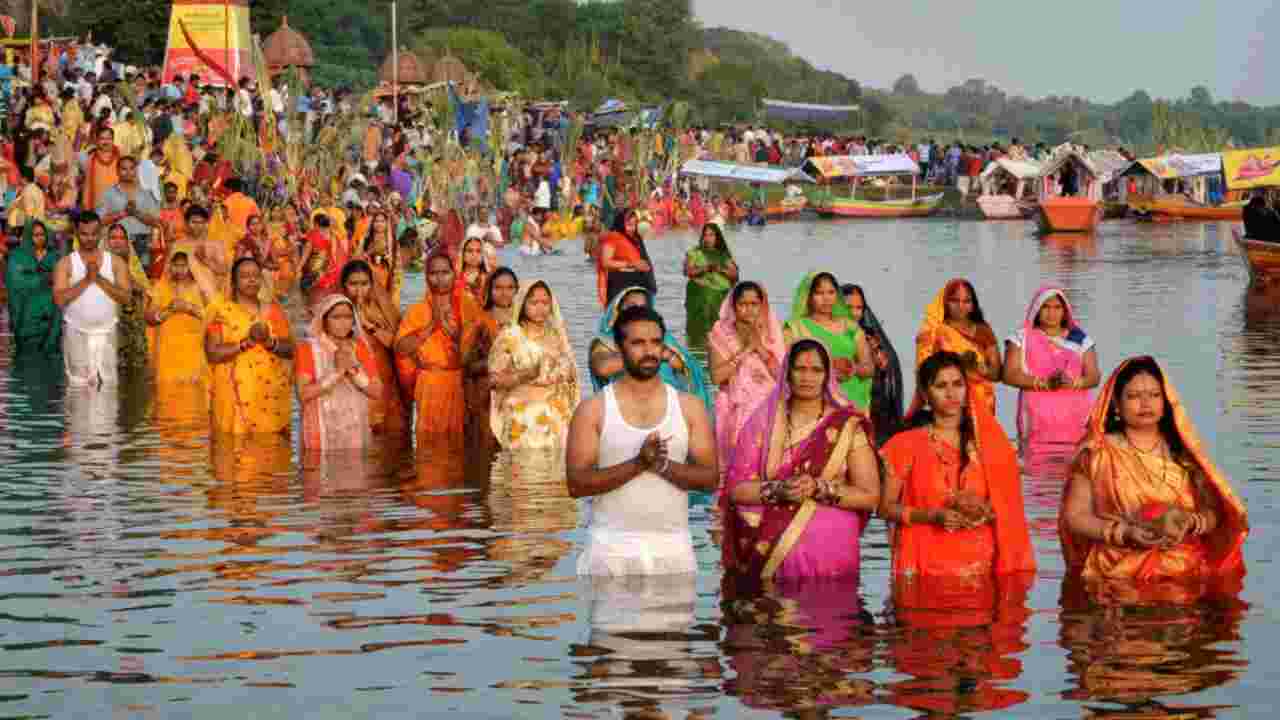
- Sandhya Arghya: The 3rd day is evening offering. Devotees go to the riverbanks and offer arghya to the setting sun. Families dress in traditional clothes, carry baskets of offerings, and sing songs, creating a magical atmosphere.
- Usha Arghya: The 4th day is done through morning offering. People offer prayers to the rising sun and break their fast with joy and devotion. The energy at sunrise is both religious and communal, bringing everyone together.
Flipkart 5G Smartphones: Top 5G Smartphones Under ₹20,000 on Big Billion Days in 2025
Celebrating Across Places
Chhath Puja is celebrated in many ways usually at riverbanks, people clean the water and decorate the ghats with banana trees, rangoli, and diyas. Large crowds gather, sing Chhath songs, and do puja together. In cities or apartments, rooftops and balconies people make it a small ghats. Some people even use water tubs or tanks for arghya, keep everything clean, and sing bhajans.
Cultural Importance
Chhath Puja is 100% eco-friendly. There are no idols, no colors, and no crackers. The festival teaches people to love rivers and nature and to keep the environment clean. It produces almost no waste and strengthens community bonds. Women’s devotion is central, and it shows how strong faith can bring people together.
The festival is not only in Bihar or UP. Indian communities celebrate it in other parts of India and even abroad like Delhi’s Yamuna banks to New York’s Hudson River.