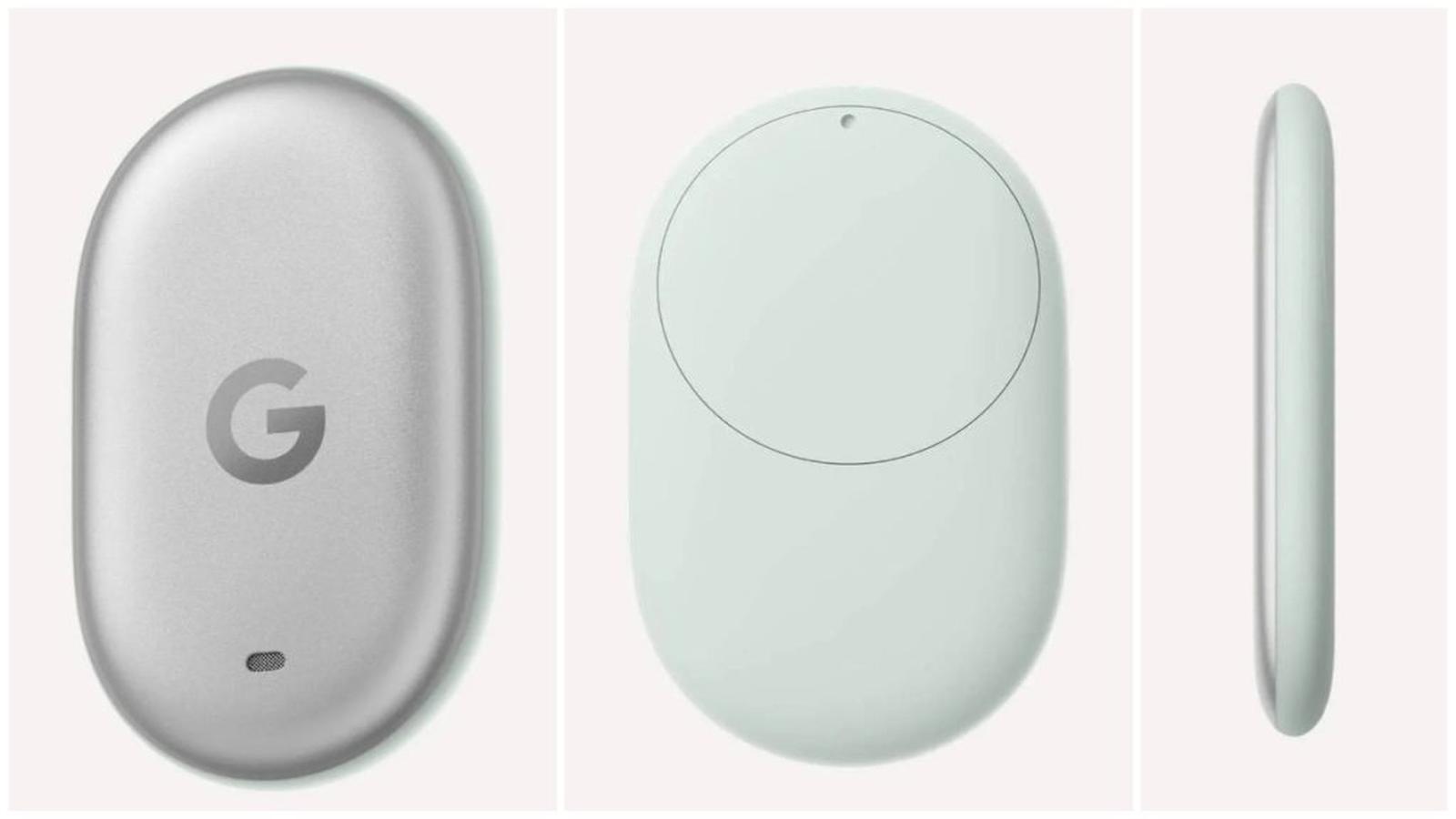
Google Pixel Tag Price: Google has officially stepped into the Bluetooth tracker space with the Pixel Tag, a new little compact tracker made to help Android folks find keys, bags and luggage, etc. The Pixel Tag was shown off during Google’s Made by Google 2026 event and it’s being framed as a first party alternative to stuff like Apple’s AirTag. It should roll out globally starting November 11, 2026 with US pricing that begins at $29 for a single tracker and $99 for a four pack.
In Malaysia, the international single-unit price works out to approximately RM119, although Google has not announced an official Malaysian retail price or local release date yet.
What Is Google Pixel Tag?
The Pixel Tag is Google’s first true in-house Bluetooth item tracker, kinda. It teams up with Find Hub, Google’s Android-based gadget locating network that also helps with accessories.
If a Pixel Tag is within Bluetooth range, you can spot it using your compatible Android device. When it’s farther away, the Find Hub network can lean on nearby Android devices to help report where it is. Google has been growing Find Hub into a wider ecosystem for tracking phones, accessories, luggage and other belongings.
UWB Enables Precision Finding
One of the Pixel Tag’s biggest features is Ultra-Wideband (UWB) support. With a compatible phone, UWB can provide more precise information about the direction and distance of a nearby tracker. Google’s Android support documentation describes UWB Precision Finding as a way to provide distance and directional guidance when both the tracker and phone support the technology.

The Pixel Tag also supports Bluetooth 6.0 Channel Sounding, which can provide precise distance information on compatible devices. According to current reports, UWB and Channel Sounding support will depend on the phone being used, so buyers should check device compatibility before expecting every precision-finding feature to work.
Find Hub Network Is the Real Advantage
The Pixel Tag’s hardware is only part of the story. Its biggest selling point could be Google’s Find Hub network. If a tagged item moves outside the Bluetooth range of its owner’s phone, other participating Android devices can help detect the tracker and relay its approximate location to the owner.
For Android users, the Pixel Tag therefore combines Google’s tracking software with Google’s own hardware for the first time.
More Than One Year of Battery Life

The Pixel Tag uses a replaceable CR2032 coin-cell battery, with Google rating it for more than one year of use. The battery can be replaced by the user rather than requiring the entire tracker to be discarded when the battery runs out.
Android 17 Supported Devices: Complete List of Google Pixel Phones Getting the Update
IP67 Water and Dust Resistance
The tracker carries an IP67 rating, meaning it is designed to withstand dust and temporary immersion in water under specified testing conditions. That makes it suitable for everyday items that may encounter rain, splashes or accidental exposure to water, although an IP rating should not be interpreted as making the device completely waterproof.
Pixel Tag Design and Size
Google’s tracker weighs approximately 11.8 grams and measures around 28mm wide, 46.1mm high and 5.4mm thick, according to published specifications. It comes in a Fog finish.
One notable design detail is that the Pixel Tag does not have an integrated keyring hole. Users who want to attach it directly to keys or certain bags may therefore need an additional accessory.
Google Pixel Tag Price and Availability
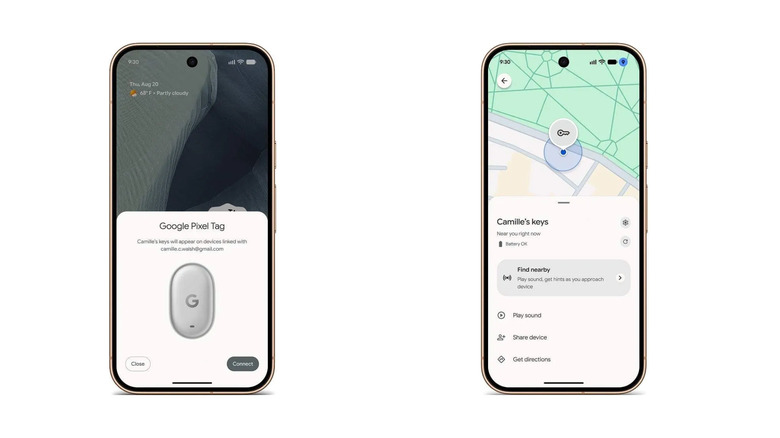
- Single Pixel Tag: $29 ~RM119
- Four-pack: $99 ~RM405
The November 11, 2026 launch date has been reported across multiple technology publications. However, the approximate RM119 figure is a currency conversion rather than an officially announced Malaysian retail price. Google has yet to confirm Malaysia-specific pricing and availability.
Pixel Tag vs AirTag: What Is Google Offering?
Google’s Pixel Tag shows up as a close rival to Apple’s AirTag but for Android folks the real punch is that it plays very nicely with the Google ecosystem. The Pixel Tag leans on Find Hub, while AirTag is more tied to Apple’s Find My network. In both cases the idea is similar, you use nearby devices as helpers to find where a misplaced thing went.
Also, the Pixel Tag adds UWB- based pinpoint finding and then, a replaceable battery, so overall it lands right in that premium Bluetooth tracker space not some cheap little novelty.