
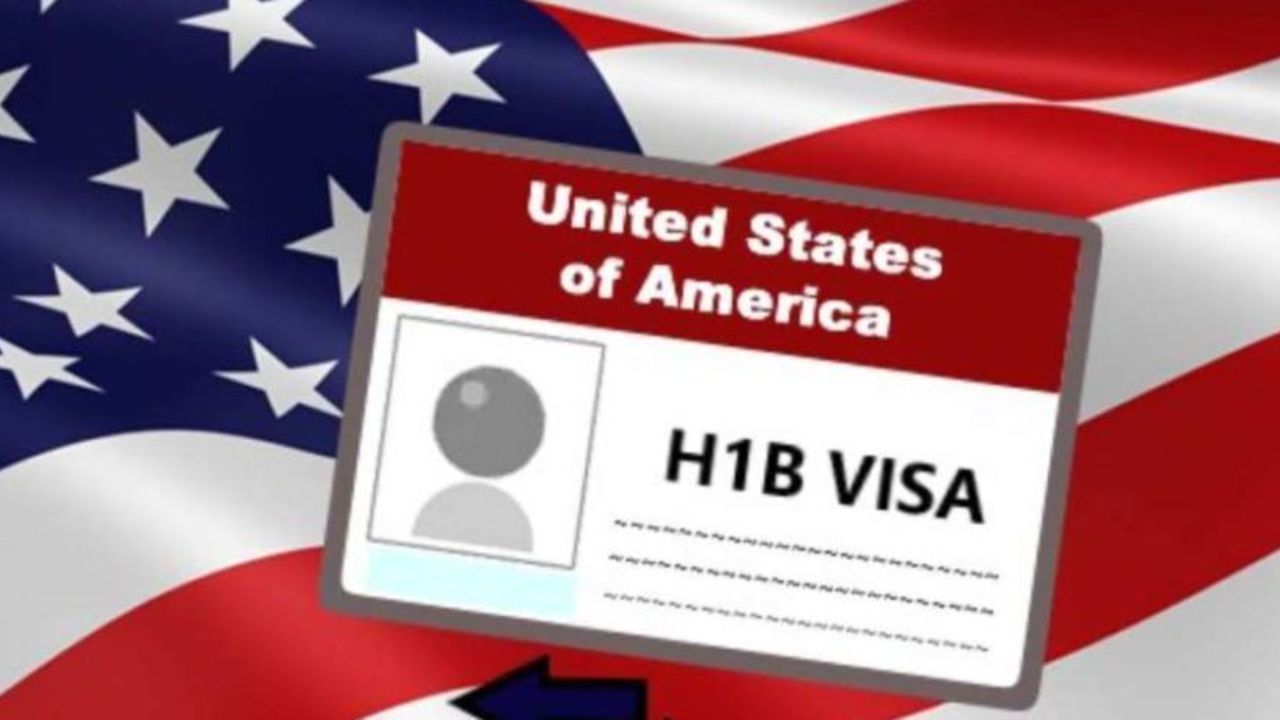
H-1B Fee Rules: The Trump administration said that new graduates and workers already living in the country will not need to pay the heavy $100,000 H-1B visa fee. This new rule had caused confusion and panic after it was announced last month. Officials also said that people who already hold H-1B visas will not have to pay the new amount either.
A picture of US President Donald Trump shaking hands with Prime Minister Narendra Modi in the Oval Office went viral as news spread about the update. The decision came after weeks of worry among Indian workers and US companies. The $100,000 fee, which equals about ₹90 lakh, was first set to begin at 12:01 a.m. ET on September 21, 2025.
Financial Changes From October 1: RBI Cheque Rules, IRCTC Ticketing, NPS Equity Overhaul
USCIS Clarifies the New Rule
The US Citizenship and Immigration Services (USCIS) confirmed in new guidance that the $100,000 fee will not apply to anyone already in the US on a valid visa. This includes people on F-1 student visas, L-1 intra-company transfers, and current H-1B visa holders who are applying for extensions or renewals, reported Hindustan Times. The agency stated that the new rule “does not apply to any previously issued and currently valid H-1B visas, or any petitions submitted prior to 12:01 a.m. ET on September 21, 2025.”
The USCIS also said that H-1B visa holders can keep traveling in and out of the United States without any limits. This update solved one of the biggest fears that came after the earlier fee announcement. It further added that students already in the US who are changing their visa status from F-1 to H-1B will not have to pay this fee either.
Why Indian Workers were most Affected?
The new decision is a big comfort for Indian tech workers, who form most of the H-1B visa group. Around 300,000 Indians are working in the US on H-1B visas, mainly in technology and service jobs. Indians make up nearly 70% of all new H-1B visa slots every year, followed by Chinese workers with about 11–12%.
The H-1B visa allows skilled foreign workers to stay and work in the US for up to three years and can be extended for another three years. Every year, 85,000 new visas are given through a lottery. Before this new rule, visa application fees were between $215 and $5,000, depending on the type of company. The new $100,000 charge would have been almost 20 to 100 times higher than before, which experts said could have “effectively killed the H-1B programme.”
Political Reactions
For many Indian families, the H-1B visa is a dream path to a better life in the US. A study called The Other One Percent showed that the H-1B program helped make Indian-Americans one of the richest and most educated communities in the country. When counting dependents, about one-fourth of the 3 million Indian-Americans are connected to the H-1B visa program.
EPFO Updates PF Withdrawal Rules: Here’s How Much You Can Take After Job Loss
Big Indian companies like Infosys, TCS, and Wipro often send engineers to the US using these visas. American firms such as Google, Microsoft, and Amazon also depend heavily on Indian H-1B workers who studied in US universities.
The fee move started a big political fight. US Commerce Secretary Howard Lutnick defended the policy, saying it was made to bring in “high earners” and stop companies from hiring “low earners who take jobs from Americans.” He said the visa quota will stay at 65,000 regular slots and 20,000 for advanced degree holders, but “there’ll just be less of them issued.”
In India the opposition leaders slammed the move. Rahul Gandhi accused Prime Minister Narendra Modi of not protecting Indian workers. Congress chief Mallikarjun Kharge called it a “birthday gift” from Trump to Modi. Meanwhile, Modi said in Gujarat that India’s “only real enemy is dependence on other countries” and urged people to focus on “self-reliance.”