
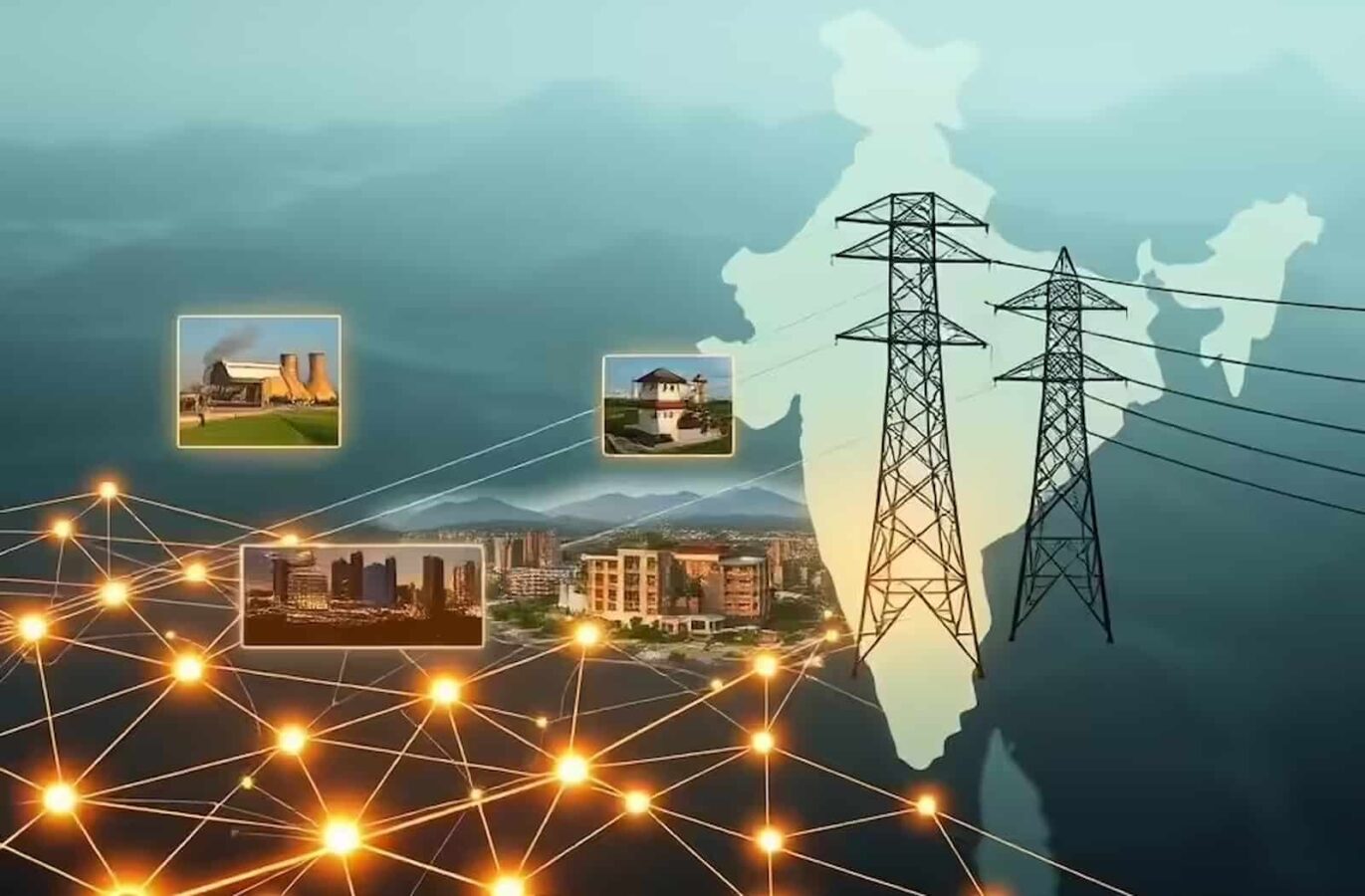
India’s electricity distribution sector serves over a billion people. The companies responsible for that last-mile delivery, known as DISCOMs, determine whether power reaches homes reliably and whether bills reflect actual consumption. The national average for Aggregate Technical and Commercial losses stood at 16.12% in FY 2023-24, per the Power Finance Corporation’s DISCOM Performance Report. The financial deficit across India’s power distribution sector reached Rs 79,000 crore in FY23, up from Rs 44,000 crore the previous year, according to government data. Private operation has demonstrated, repeatedly and measurably, that these numbers can be brought down significantly.
As the distribution landscape evolves, managing electricity payments across operators becomes simpler with the right platform. Bajaj Pay lets consumers pay electricity bills across multiple DISCOMs instantly from one place. For households navigating operator changes or multiple connections, that matters.
What DISCOM privatisation actually changes
A DISCOM buys electricity from generators and delivers it to end consumers. It maintains the network, manages metering, raises bills, and collects revenue. When losses are high, that cost falls somewhere: higher tariffs, state subsidies, or accumulated debt.
Privatisation in India does not mean outright sale. The standard model involves a private operator acquiring a majority stake through a joint venture, with the state government retaining a share. The private entity takes operational control and is held to performance targets by an independent electricity regulator. What changes is accountability. The incentive to reduce losses, improve billing, and upgrade infrastructure becomes direct and commercial.
What the data from private DISCOMs shows
Three privately operated DISCOMs provide verifiable evidence of what private operation delivers over time.
Tata Power Delhi Distribution Limited, or TPDDL, is a joint venture between Tata Power, holding 51%, and the Government of NCT of Delhi, holding 49%. It took over North and North-West Delhi’s distribution in July 2002. AT&C losses at that point stood at 53%. As of FY 2024-25, those losses stand at 5.54%, a reduction of approximately 90% over 23 years (Source: TPDDL Annual Report FY 2024-25, tatapower-ddl.com). TPDDL currently serves 21 lakh customers across 510 sq km, handling a peak load of 2,481 MW.
The other operators tell a consistent story. Key figures from private DISCOMs are as follows:
- Adani Electricity Mumbai: AT&C losses at 4.70% in FY 2024-25, down from 5.47% the previous year (Source: Adani Electricity official press statement, July 2025)
- Torrent Power Ahmedabad: T&D losses at 4.17% (Source: Torrent Power chairman statement)
- Torrent Power Surat: T&D losses at 3.38% (Source: Torrent Power chairman statement)
Against a national average of 16.12%, the gap is not marginal. It is consistent across operators, cities, and decades.
Why state-run DISCOMs struggle to match this
The performance gap between private and state-run DISCOMs is not simply about capital. It comes down to accountability and the absence of political pressure in operational decisions.
State-run DISCOMs routinely face constraints that private operators do not. Tariff revisions get delayed or blocked for political reasons, leaving the gap between the cost of supply and revenue collected to widen year on year. Action against non-paying consumers, whether industrial defaulters or domestic users, is often slow or politically inconvenient. Infrastructure upgrades are deferred when budgets are tight and there is no shareholder pressure to act.
Private operators, regulated by independent electricity commissions and answerable to investors, have a direct financial incentive to close every one of these gaps. Theft detection, smart metering, network upgrades, and billing efficiency all improve when the cost of inaction falls on the operator rather than the state.
What this means for consumers right now
For consumers in privately operated DISCOM areas, the practical difference is tangible. Supply is more reliable, billing is more accurate, and complaint resolution tends to be faster.
For consumers still served by state-run DISCOMs, the reform direction at the policy level is clear. The Finance Minister announced the privatisation of DISCOMs across all Union Territories in May 2020. The Supreme Court upheld the Chandigarh DISCOM privatisation in December 2024, backing the government’s reform intent with judicial support.
Regardless of which operator serves your area, keeping your electricity account current matters. Paying your Torrent Power bill on time protects your service record and avoids late payment charges that accumulate quickly.
How to pay your electricity bill through Bajaj Finance
Paying your electricity bill through Bajaj Finance takes under two minutes. Here is how to do it:
- Open the Bajaj Finance app or visit the website
- Go to Bajaj Pay
- Choose electricity as the category under Bills & Recharge
- Select your DISCOM from the list
- Enter your consumer number or account ID
- Confirm the amount and pay via UPI, net banking, or a saved card
- A payment confirmation is generated immediately for your records
DISCOM privatisation is not a future possibility. It is an ongoing shift with two decades of measurable results behind it. The data from TPDDL, Torrent Power, and Adani points in the same direction: private operation reduces losses, improves reliability, and delivers a better experience to consumers. As more cities and Union Territories move along this path, the infrastructure underpinning India’s electricity supply will continue to improve.